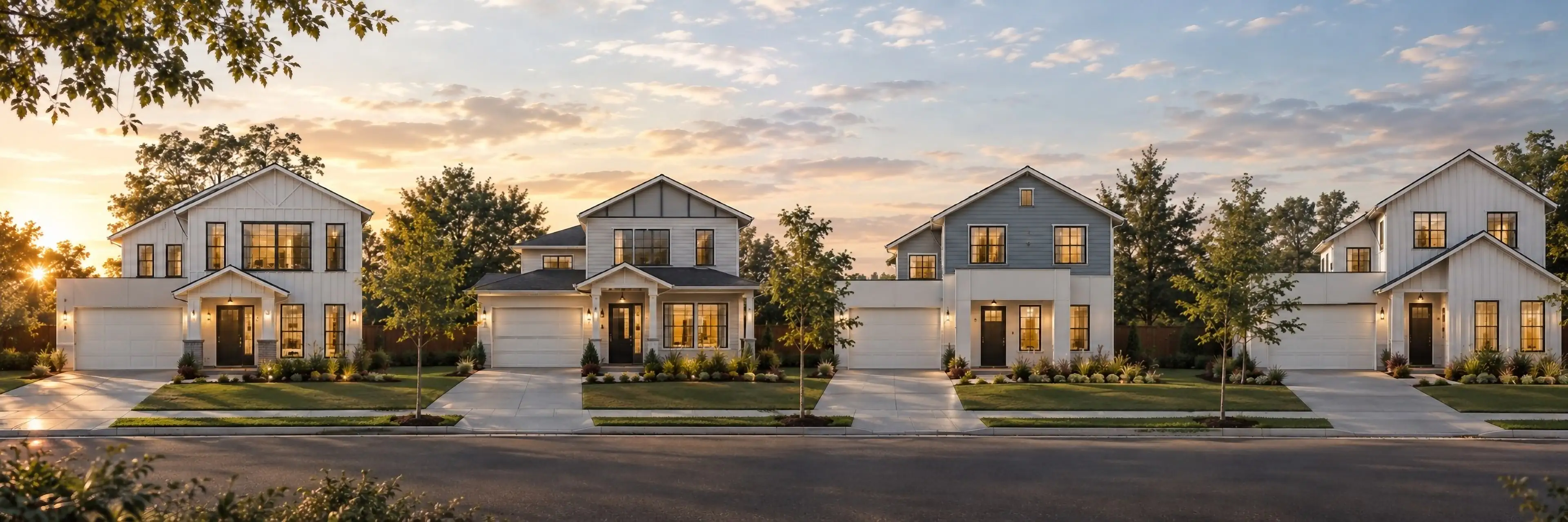
3D architectural animation and film
Send the drawings: a fixed price, scope and delivery date come back by the next business morning. No deposit for registered businesses.
The Aurum Standard
Most architectural animation is a camera gliding down a corridor at constant speed, and it is instantly forgettable. Film works when it has intent — when it lingers where a person would linger, cuts where attention would shift, and is scored and graded rather than simply rendered. We storyboard before we animate, which is why our films run shorter than most and hold attention longer.
What you receive
- Storyboard and animatic approved before production
- 4K or 8K film at 30 or 60fps
- Professional grade and sound design
- Licensed score
- Cutdowns for social and web
- Revision stages at animatic and at final, set out in your quote
All prices in USD.
When it earns its cost
Launch campaigns
A ninety-second film that carries the whole story of a development — arrival, key spaces, views — for launch events, websites and sales centers.
Social cutdowns
Six- to thirty-second edits from the same footage, cut for the platforms buyers actually scroll and delivered alongside the main film.
Design presentations and competitions
A short walkthrough that shows how a building is experienced in sequence — something stills cannot do — for clients, juries and boards.
Walkthroughs and flythroughs
Walkthrough films
The camera moves at eye height through the arrival, the main rooms and the view, paced the way a visitor would move and cut where their attention would shift. This is the format that sells interiors and amenity.
Flythroughs and aerial films
The camera rises above the site to explain location, access, staging and how the project meets its surroundings, then comes down to the street. It suits master plans and larger developments, and it is built from the same scene as the stills.
How an architectural film project runs
- 01
Brief and storyboard
What the film has to do, who it is for and how long it should be, then a storyboard that sets every shot before anything is animated.
- 02
Animatic
A rough, timed version of the film with the camera moves in place. You approve the sequence here, while changes are still cheap.
- 03
Production
Each scene is built, lit and dressed to the same standard as a still, then rendered at 4K or 8K, at 30 or 60 frames per second.
- 04
Grade, sound and cutdowns
Color grade, sound design, a licensed score and your titles, plus short edits cut for social media and the web.
What moves the price
- Finished length — film is priced per finished minute
- How many spaces and scenes the film moves through
- Animated elements: people, water, vehicles and planting in the wind
- Aerial sequences over a large site
- Resolution and frame rate — 8K and 60 frames per second take longer to render
From the studio
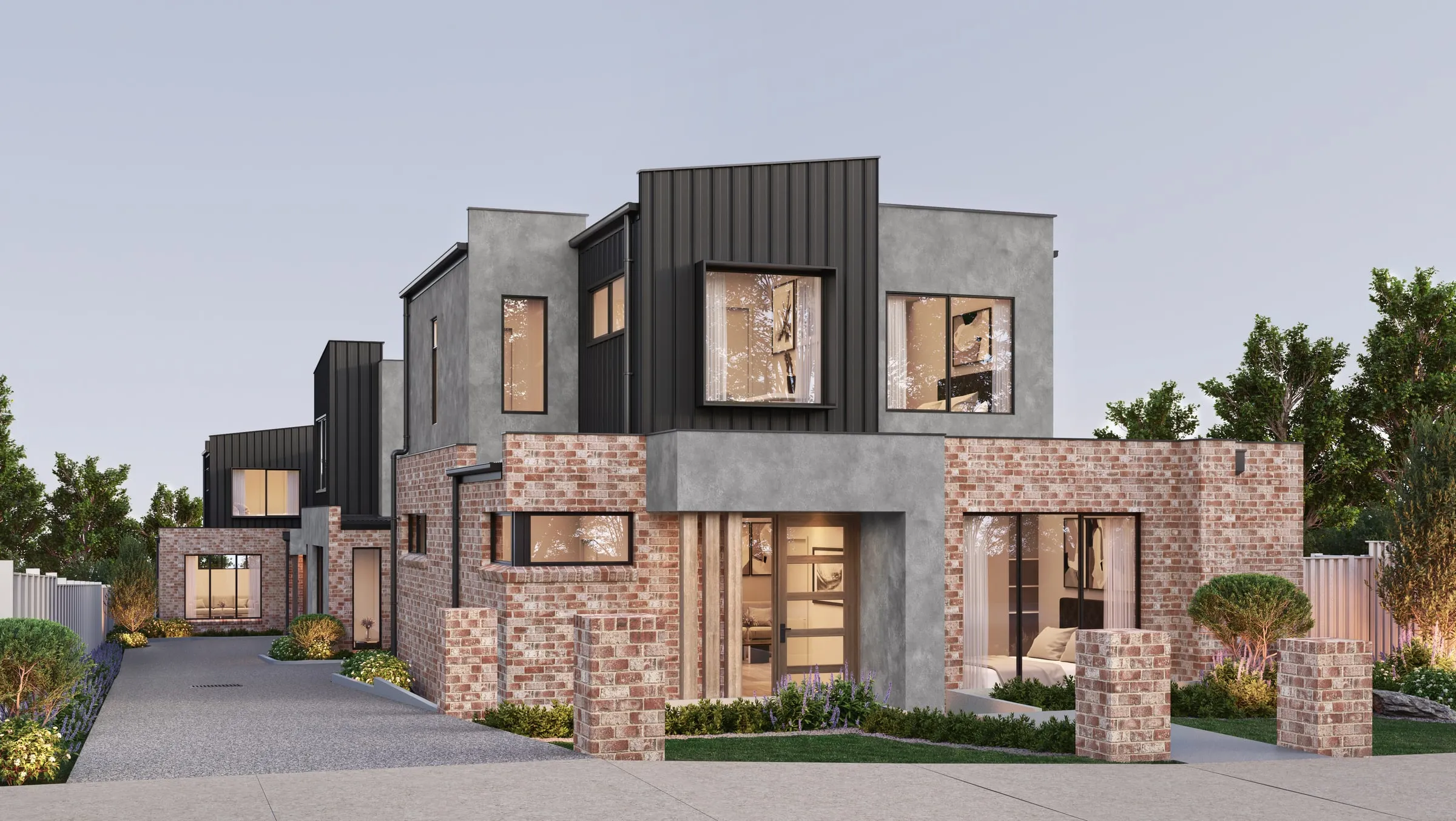
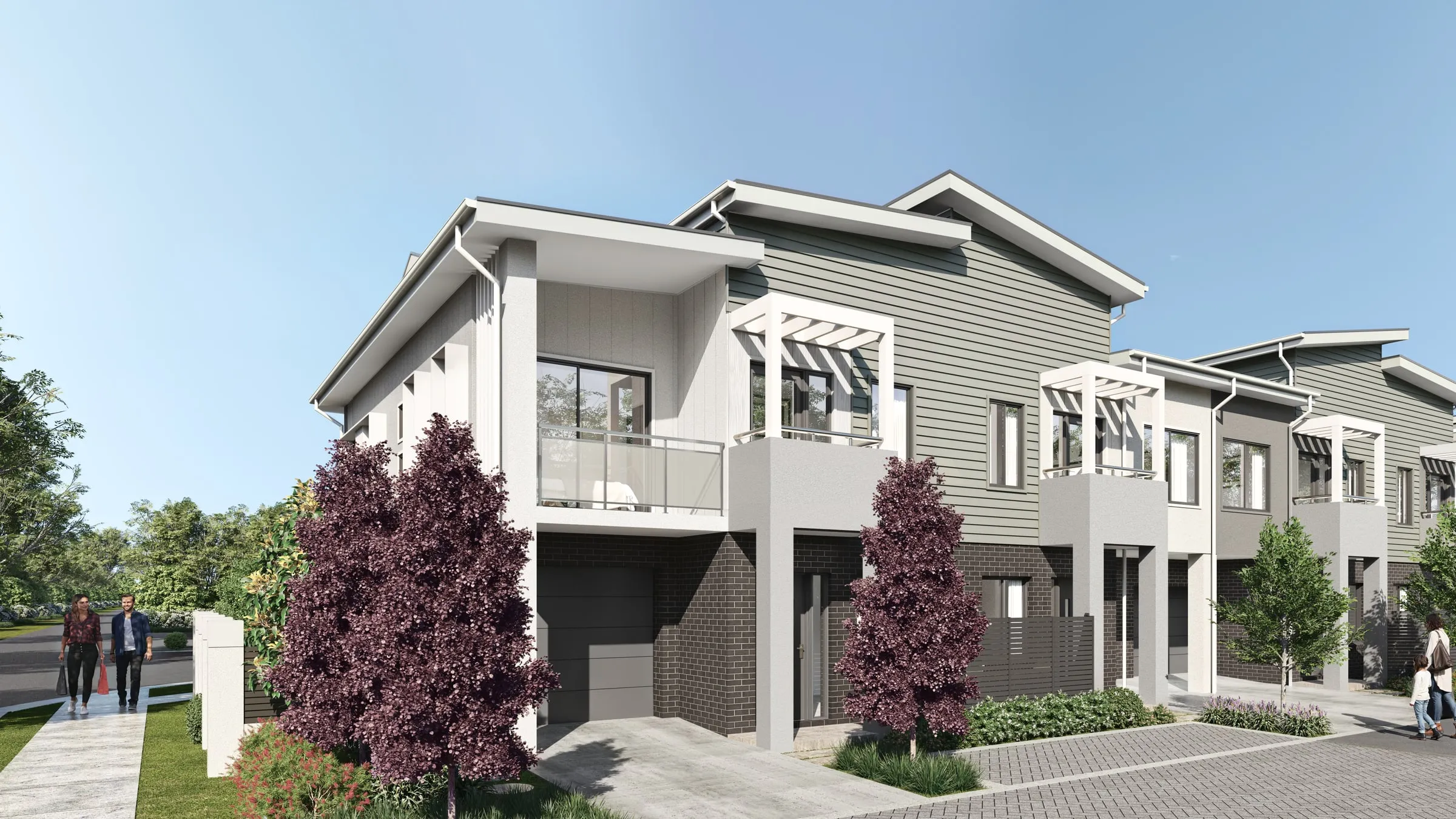
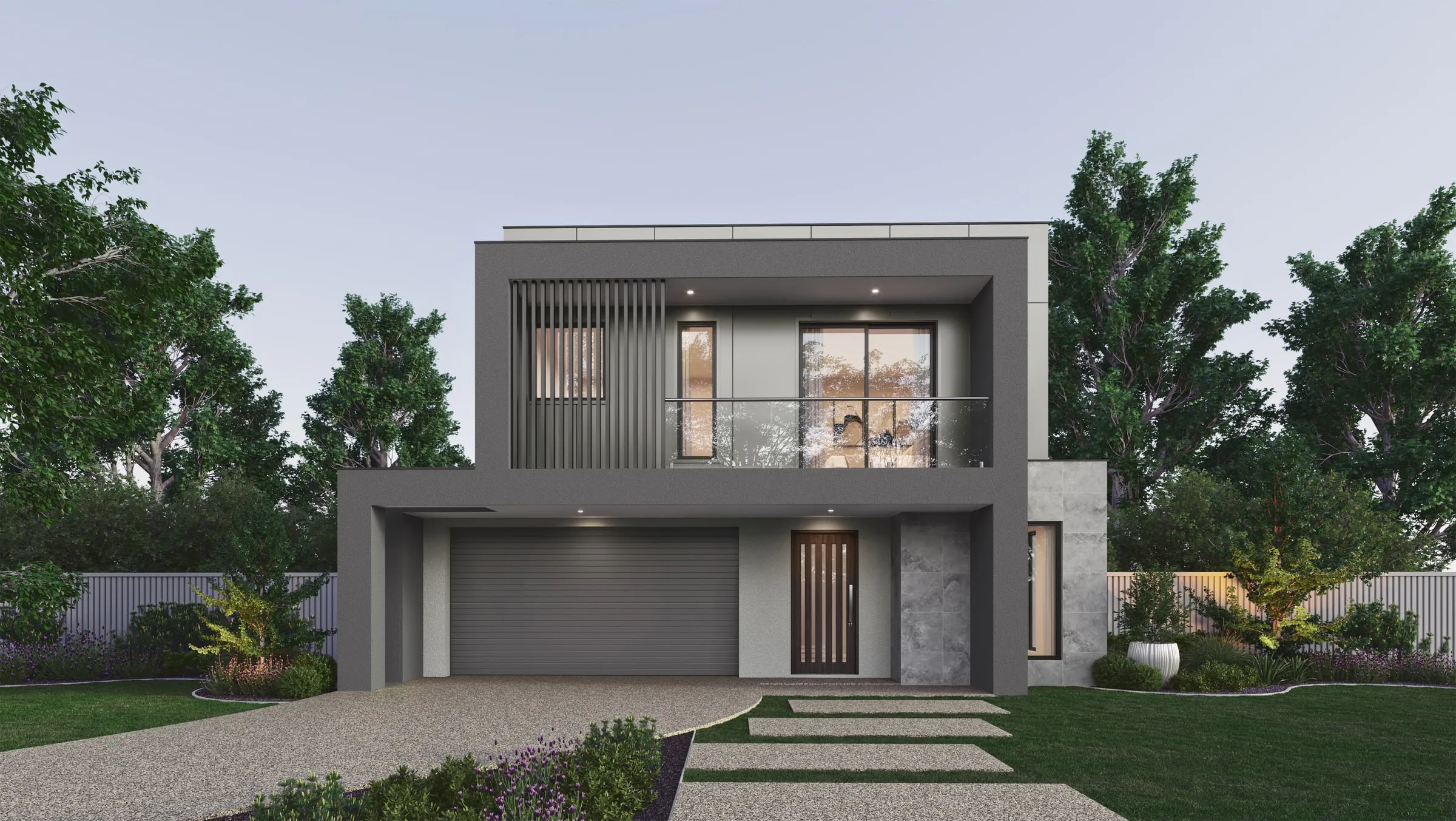
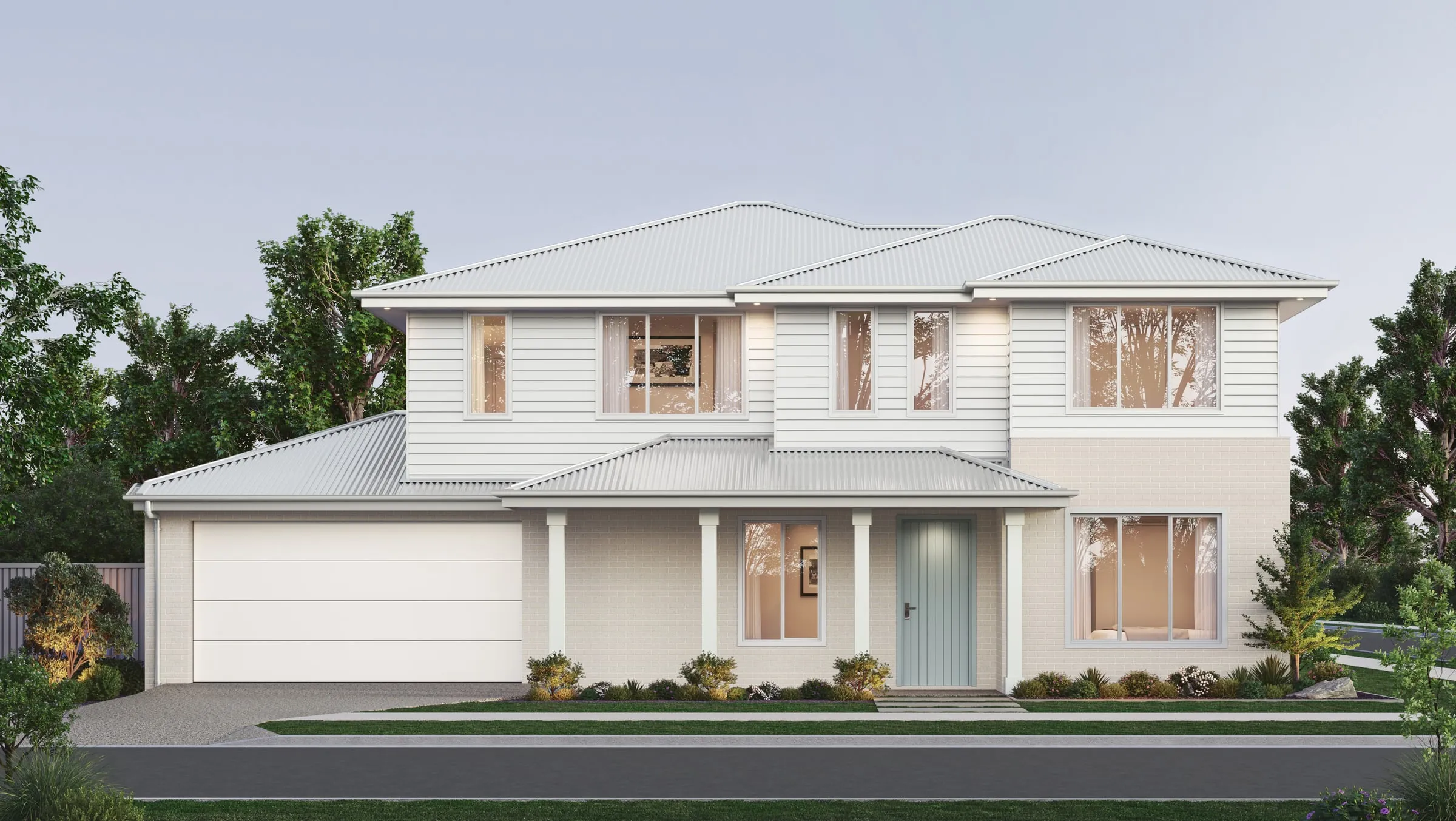
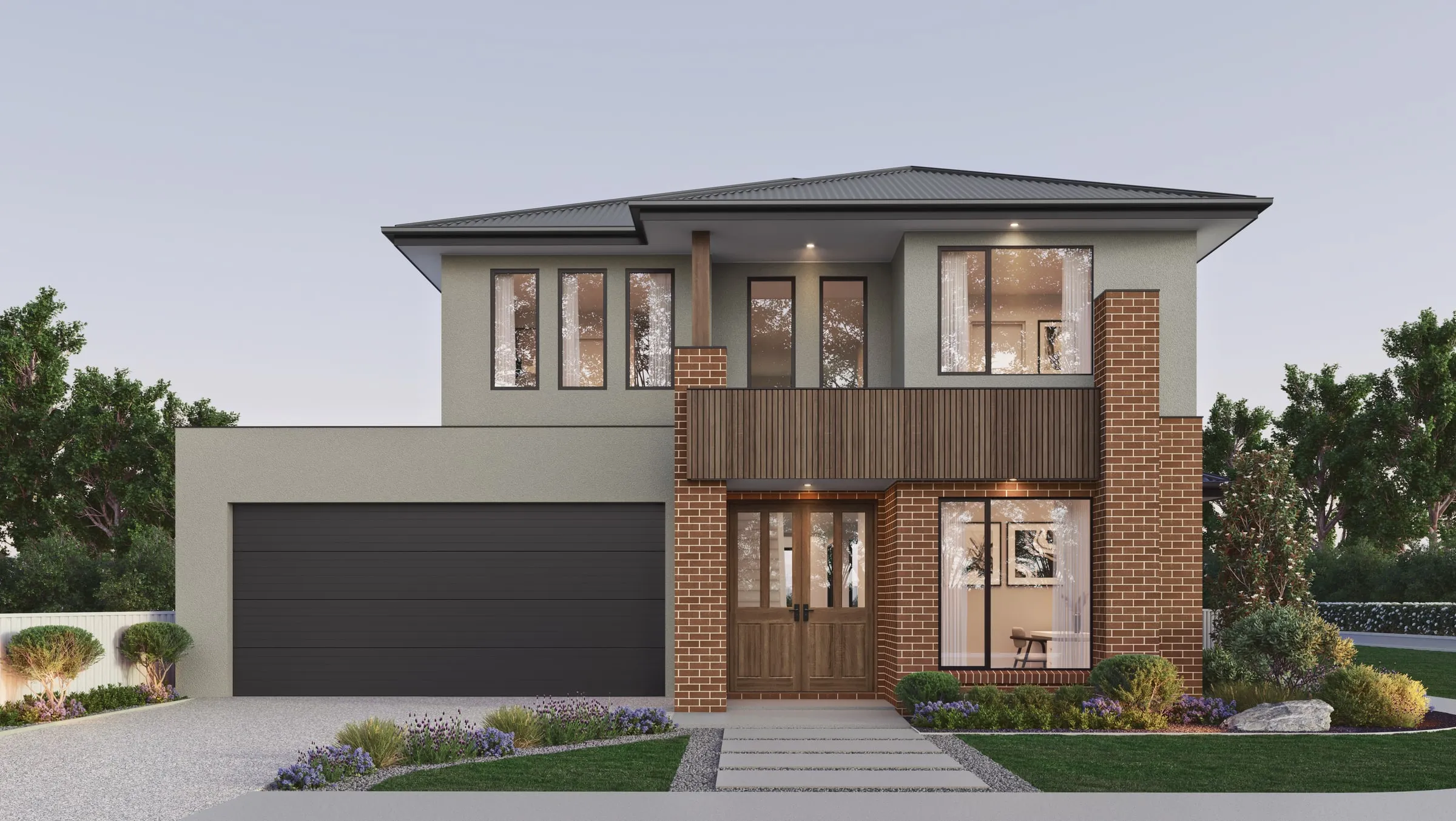
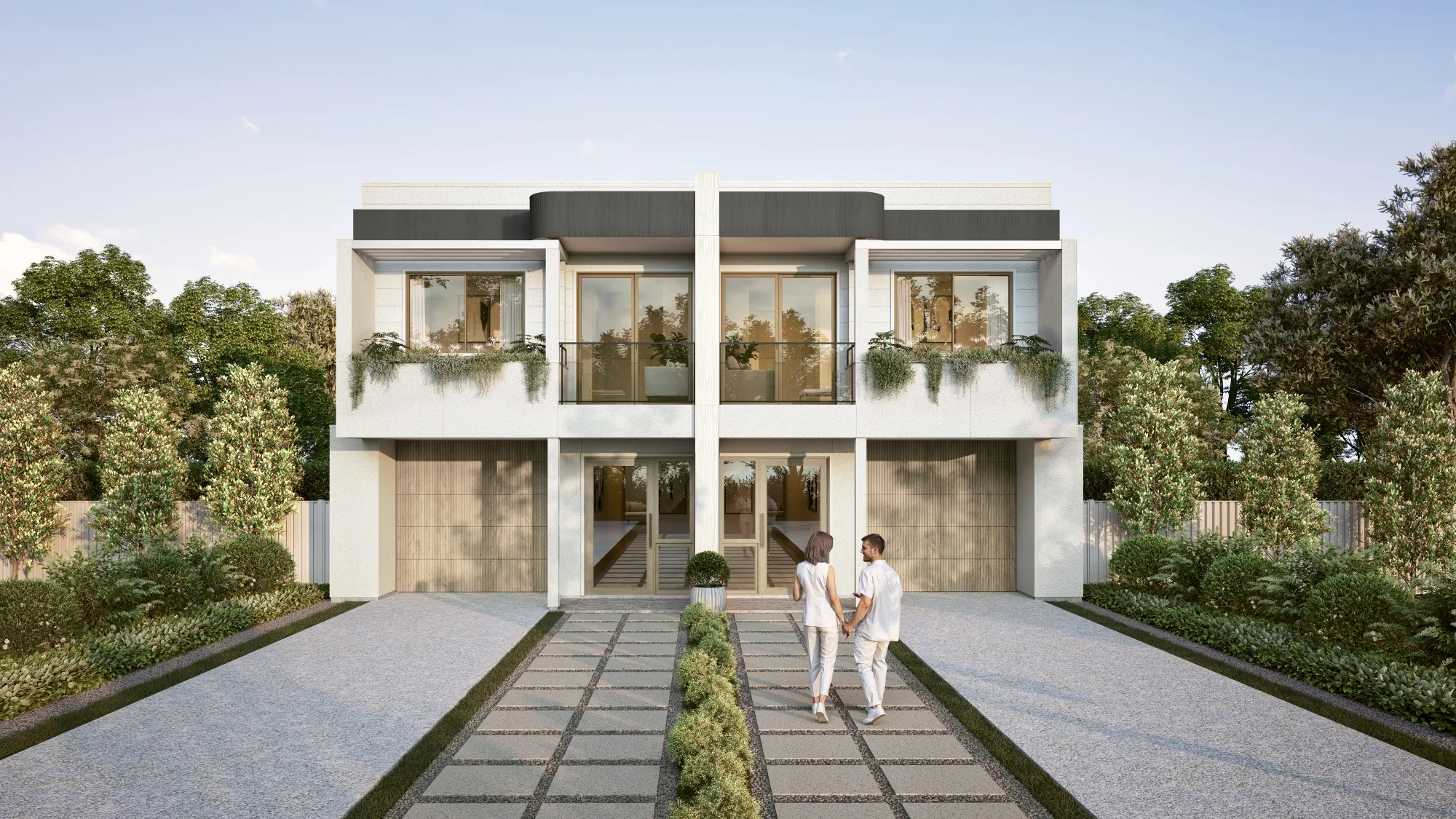
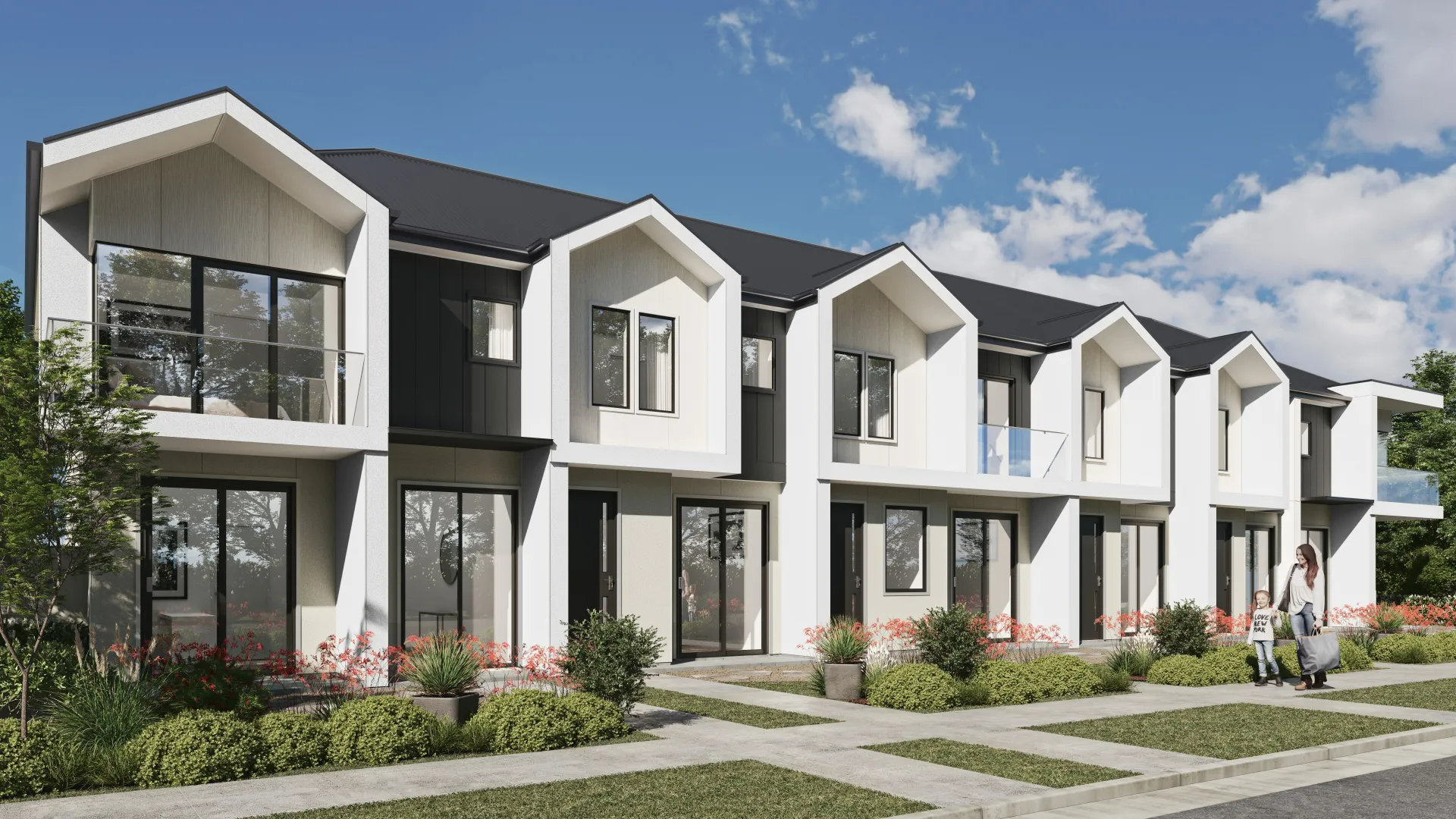
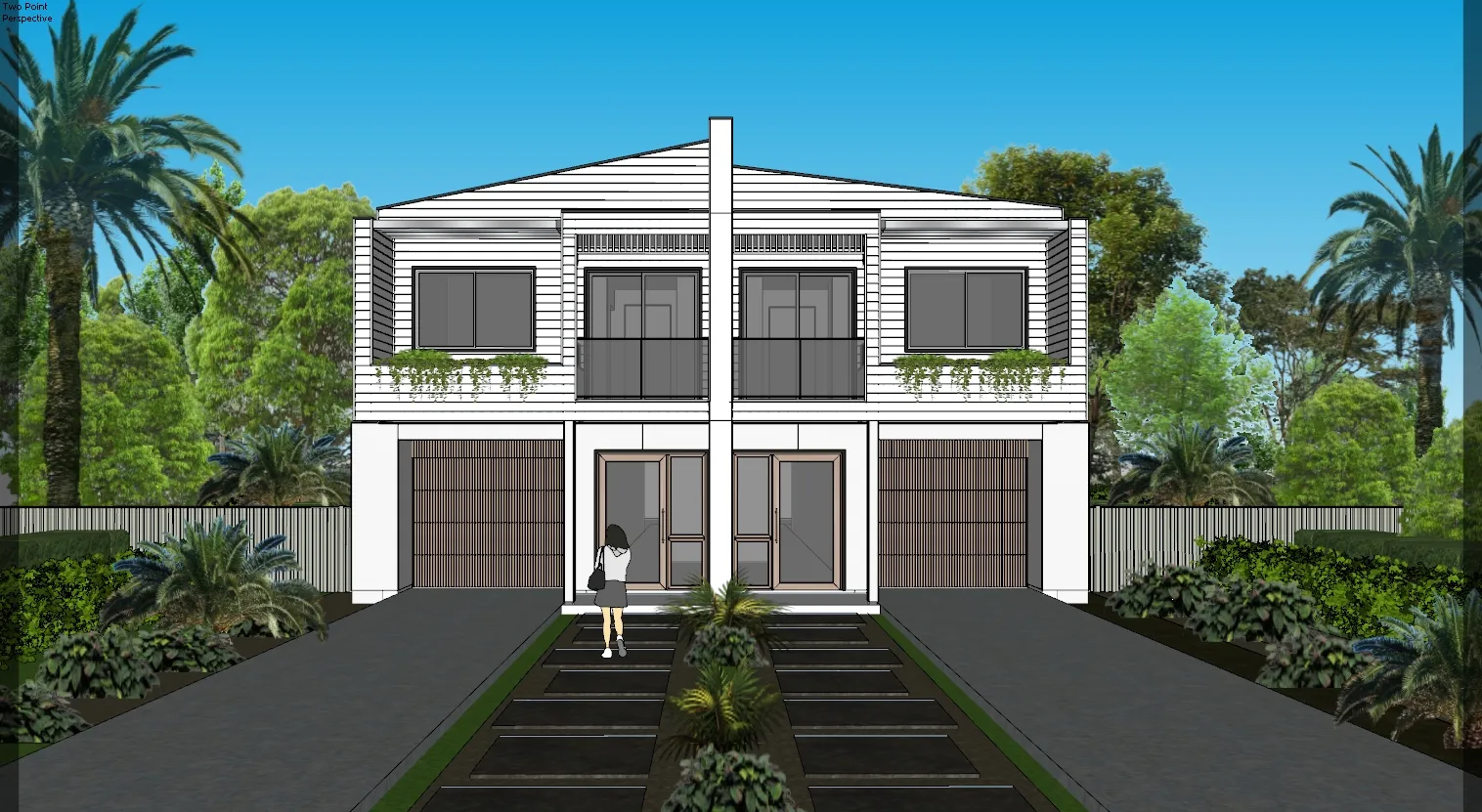
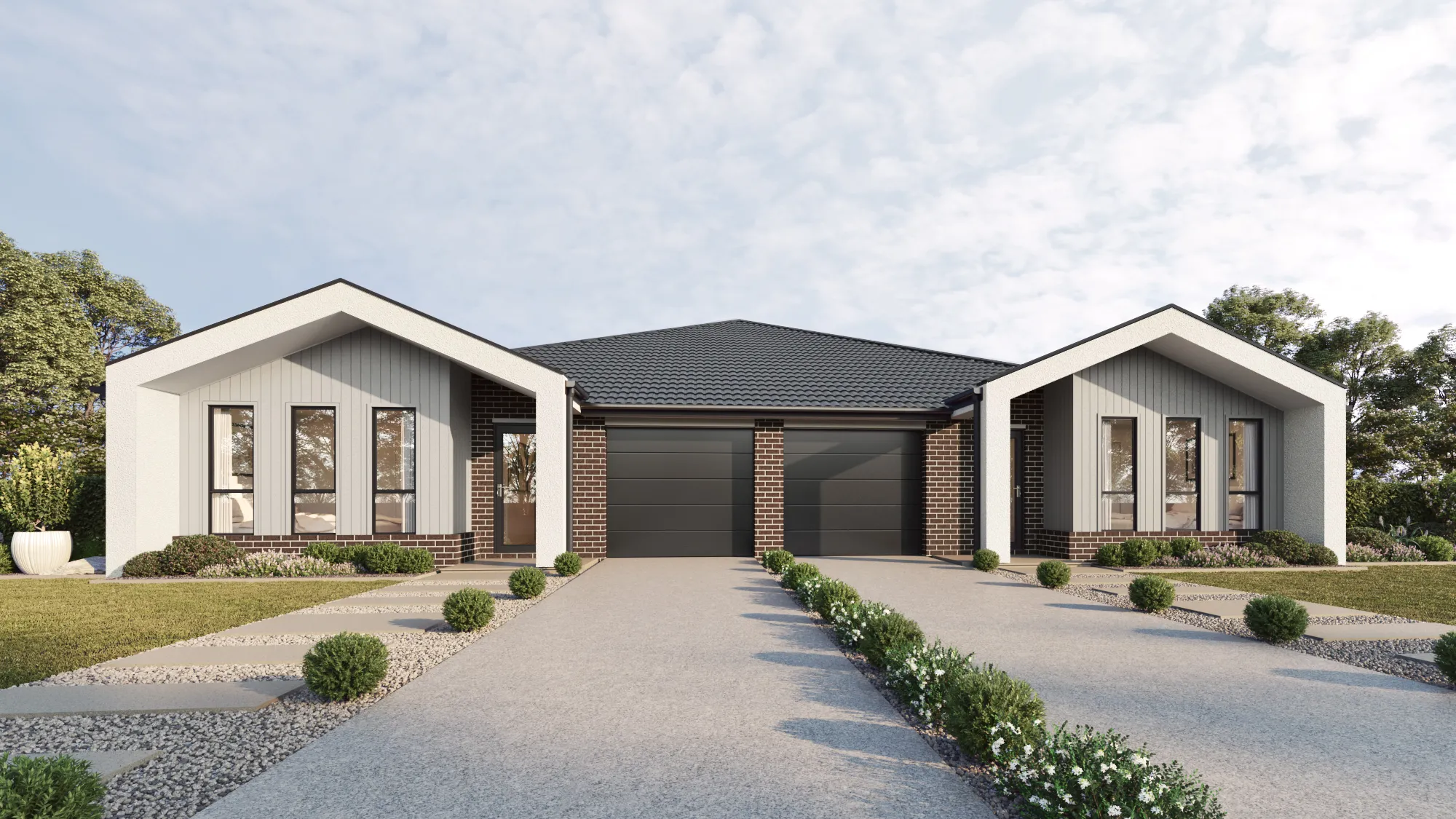
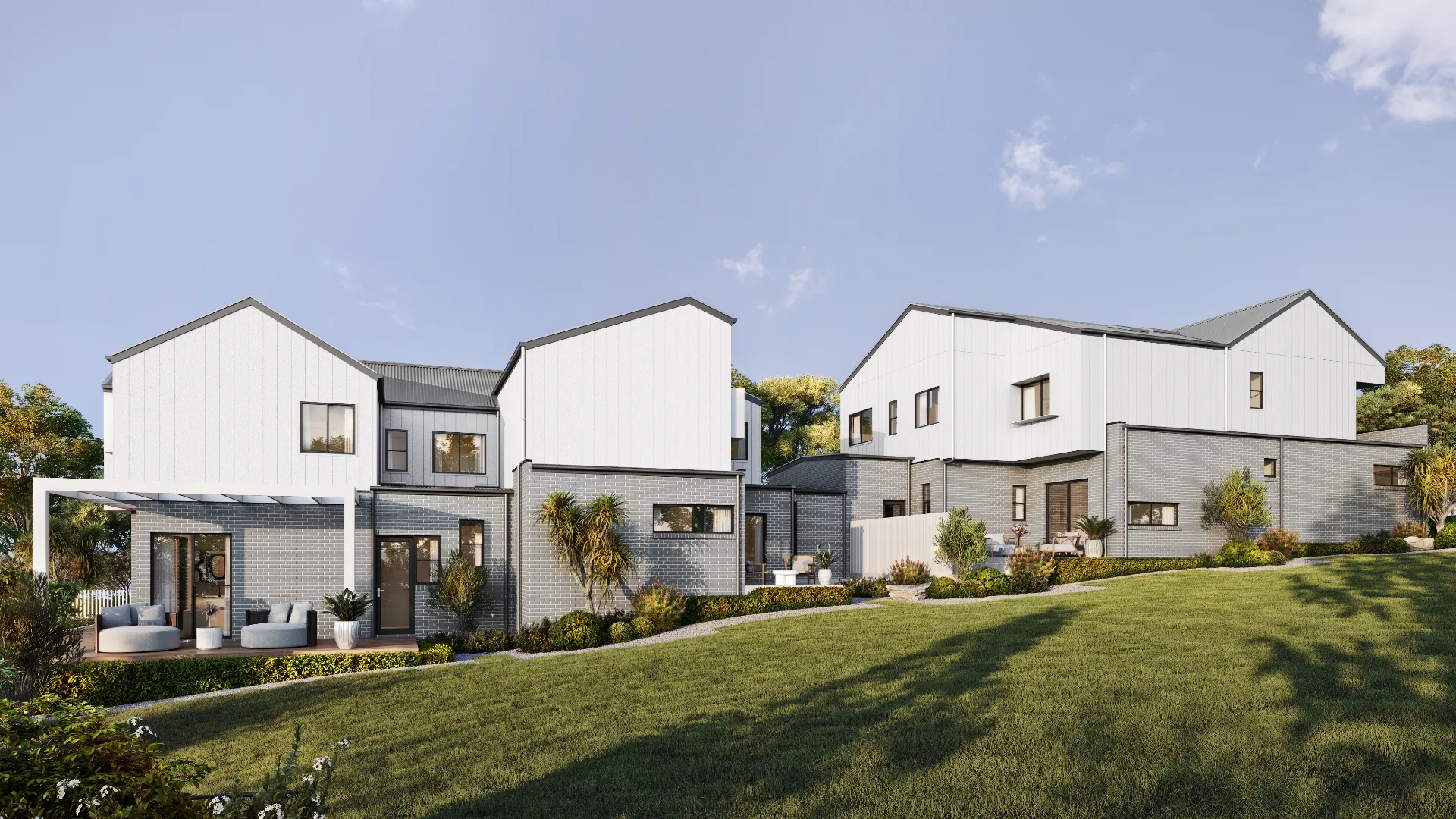
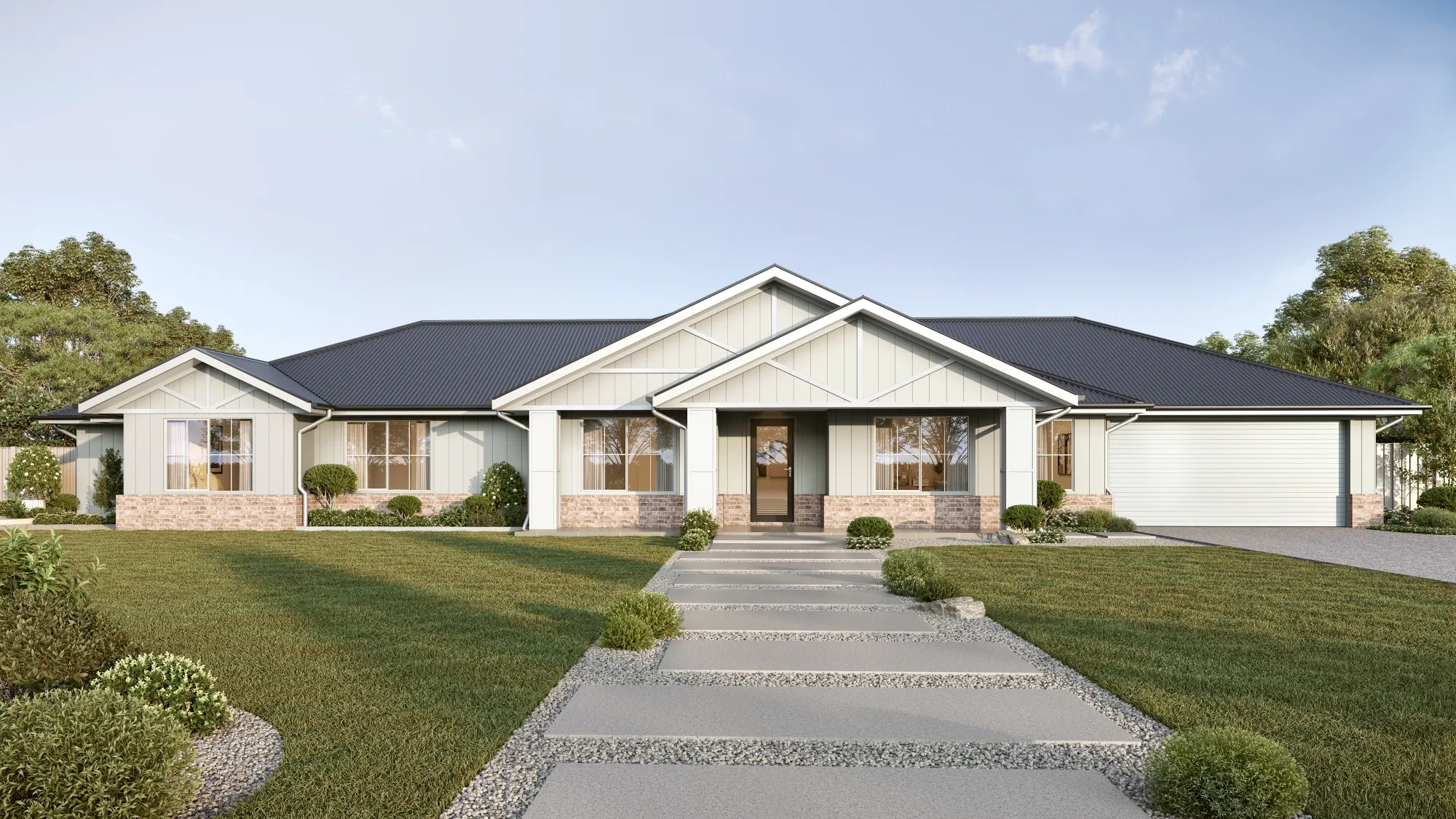
The standard each frame is held to
Start a project
Get a fixed quote
A fixed price, scope and delivery date by the next business morning. No deposit for registered businesses.
Received
Thank you — your inquiry is in.
We’ll come back with a fixed price, a scope and a delivery date by the next business morning. If anything is missing, we’ll ask in our reply.
- $0
- Deposit for registered businesses
- Next morning
- A fixed, scoped quote by the next business morning
Case studies
Projects in detail
FAQ
About architectural film
Why is animation priced per minute rather than per project?
Because a finished minute is the honest unit of work — roughly 1,800 rendered frames, each of which costs what a still costs to light and grade. Per-minute pricing means you are never paying for padding.
How long should an architectural film actually be?
Ninety seconds for most developments, sixty for social-first campaigns. Past two minutes you lose the audience unless the film is doing real narrative work. We will tell you if your brief is longer than it needs to be.
What is included in the price?
Storyboarding, an animatic you approve before production, the rendered film, color grade, sound design and a licensed score, plus cutdowns for social and web. The revision stages are set out in your quote.
Can the film change if the design changes?
Yes, within reason. Changes at storyboard or animatic stage are cheap; changes after final rendering mean re-rendering the affected shots, which we quote before doing.
Can you add our branding and titles?
Yes. Titles, your logo and end frames are built into the edit, and we supply versions with and without them for different channels.
Can one film serve the launch, the sales center and the website?
Yes. One master for the sales center and launch events, and shorter cutdowns for the website, social channels and email, all cut from the same footage so the campaign looks like one campaign.
Also from the studio
Exterior Rendering
Facades, elevations and streetscapes rendered at the fidelity a considered building deserves.
From $1,200Interior Rendering
Rooms rendered with the light, materials and styling that make a space feel lived in rather than assembled.
From $1,200Aerial & Master Plan
Whole-site imagery for master-planned communities, districts and phased developments — context, landscape and scale in a single frame.
From $2,400Interactive & Virtual Tours
Navigable 360° environments for sales galleries, leasing offices and pre-construction campaigns.
From $3,500