What architectural rendering actually costs — and why the range is so wide
What 3D architectural rendering really costs in 2026, from $200 budget images to $5,000+ high-end hero images — and which tier your project needs.
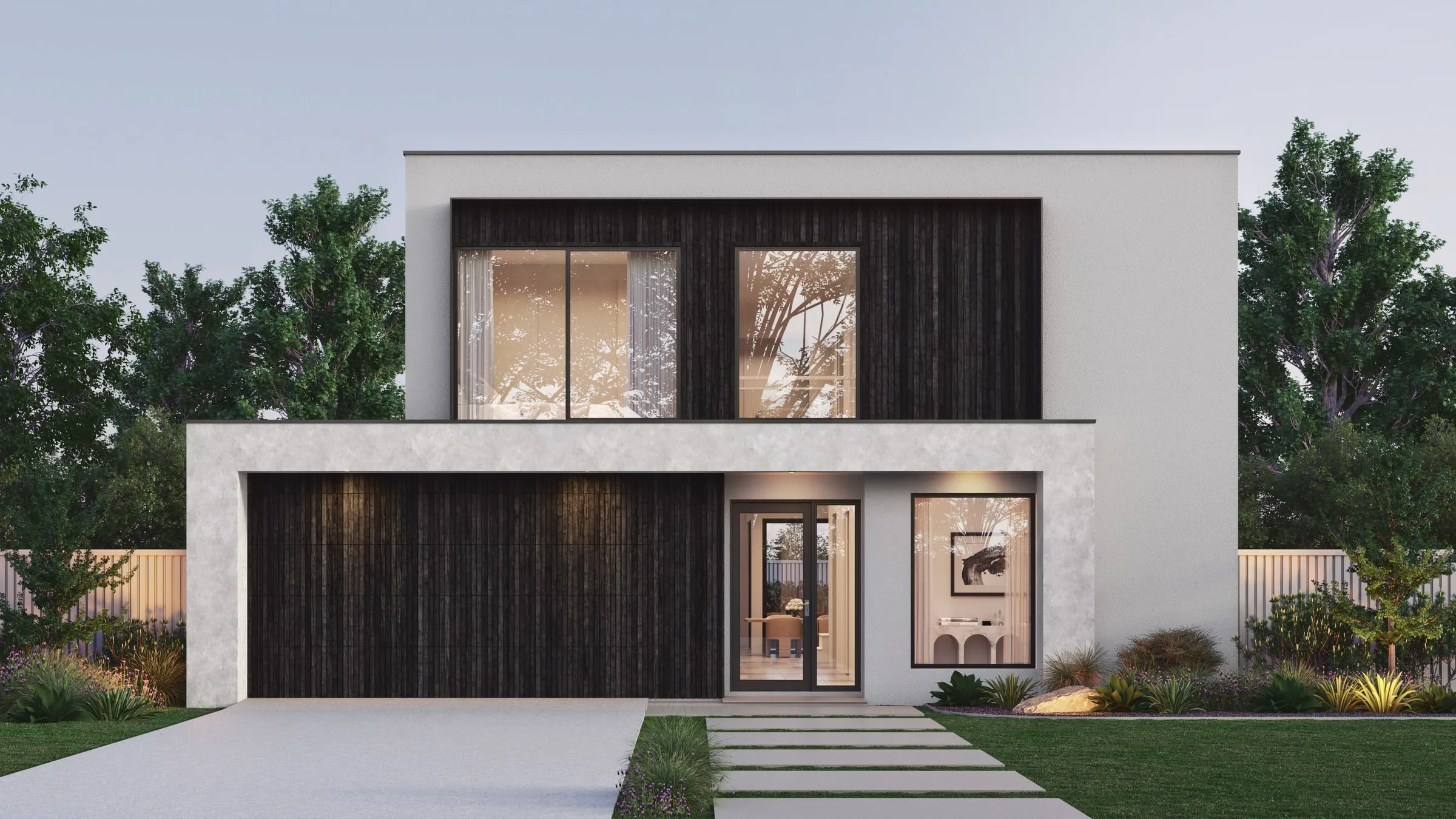
Ask five studios what an architectural render costs and you will get five answers that differ by a factor of ten, for what sounds like the same thing. That spread is not a market failing to settle on a price. It is several genuinely different products wearing the same name.
How much does 3D rendering cost?
The short answer: In the US, a single architectural rendering costs from about $200 for a budget image to $5,000 or more for a campaign hero image, and most of the industry sits between $600 and $1,500 per image, according to the published price guides in the table below. A single still from us starts at $1,200, and a set of five works out at $1,080 an image. Every project gets a fixed quote before work starts.
Broken down by type of image, the market looks like this:
| Image type | Median | Range | Unit | Studios |
|---|---|---|---|---|
| Exterior still | $500 | $149–$1,200 | per image | 16 |
| Interior still | $375 | $249–$1,200 | per image | 14 |
| Aerial still | $995 | $799–$2,400 | per image | 6 |
| Animation | $3,000 | $1,000–$7,500 | per minute | 7 |
| 360° tour, whole tour | $1,550 | $1,500–$3,500 | per tour or project | 4 |
| 360°, one scene or room | $425 | $50–$700 | per scene, space, room or panorama | 4 |
Each figure is a starting price: the lowest price a studio publishes on its own website for that type of image. The figures come from the 16 studios in our 3D rendering price survey, read October 8, 2026, which lists every studio’s prices and source page.
Here is what the money actually buys.
The three tiers, honestly described
| Tier | Per image | What it buys |
|---|---|---|
| Budget | $200 – $800 | Offshore and volume studios. A model, a sun, a camera and a render, with stock materials. |
| Mid-range | $600 – $1,500 | More time on light and materials, basic styling, a light grade. Where most of the industry sits. |
| High-end | $2,000 – $5,000+ | Campaign hero images: light that tells the story, materials to spec, full styling, a photographic grade. |
Ranges from published price guides: CYLIND, 3D Rendering Pricing Guide for 2026; ArchiCGI price list; Omegarender, 3D rendering cost; Rapid Renders, 3D rendering pricing. A single Aurum still starts at $1,200, and a set of five works out at $1,080 an image. The fixed quote reflects the scene, the styling and the resolution the image needs. Studio by studio, our 3D rendering price survey lists the starting prices 16 studios publish.
Budget. A model, a sun, a camera, and a render. Materials come from a stock library and are applied rather than art-directed. Turnaround is fast, often 48 hours, and for a great many jobs this is exactly the right purchase. A plan reviewer does not care whether your brick has convincing surface variation.
Mid-range. More time on lighting, some hand-built materials, basic styling, a light grade. This is where most of the industry sits, and where most projects are priced.
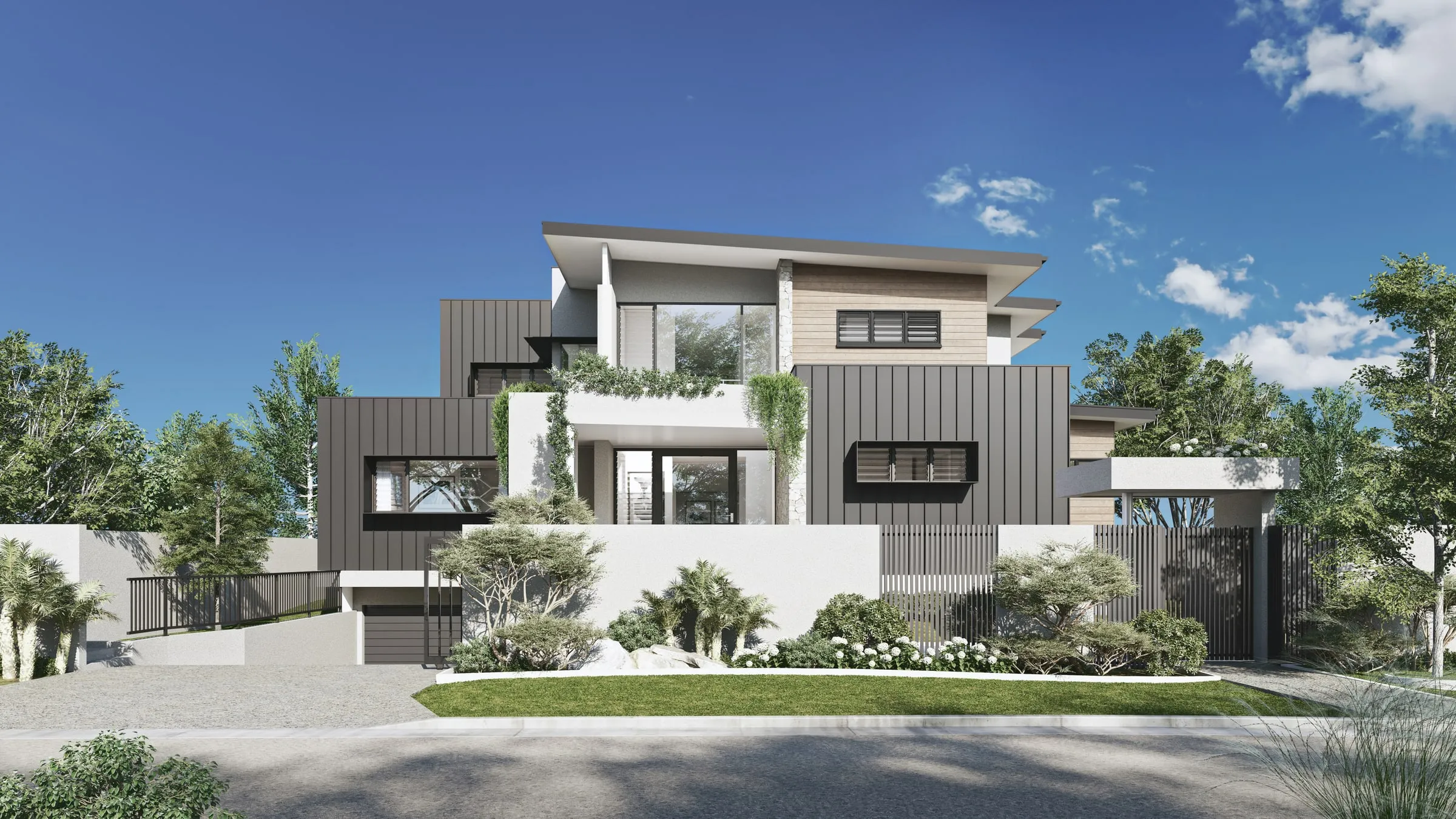
High-end. The hero image of a campaign. Light is used to tell the story rather than simply to illuminate. Materials are built to the actual specification, the rooms are fully styled and dressed, the color grade is done by someone who does it for a living, and every view in the set is consistent with the next.
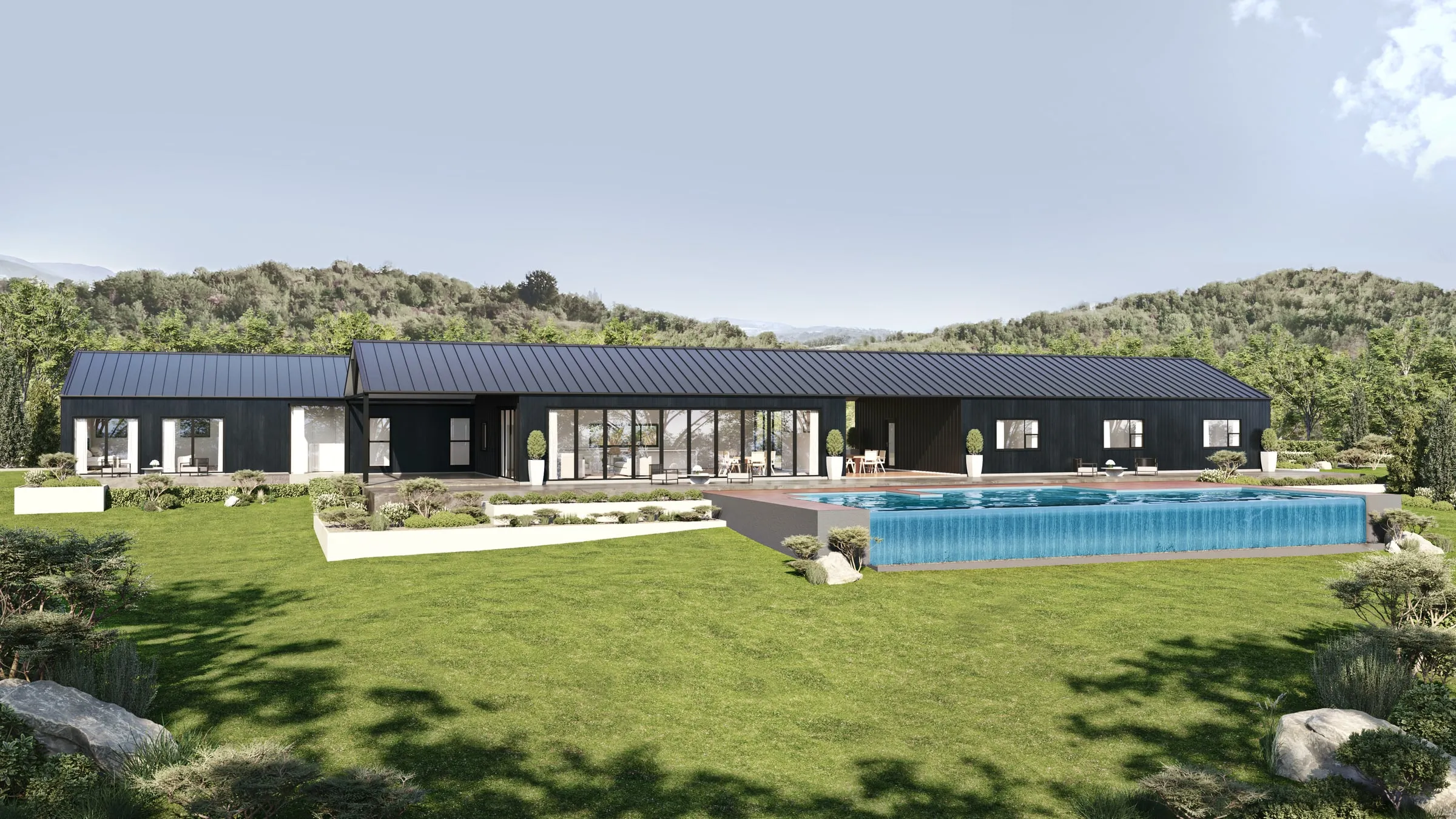
The honest summary: you are buying studio hours, and a high-end frame takes several times as many as a budget one.
What that looks like at our studio, by type of image:
| Image type | From | Typical turnaround |
|---|---|---|
| Exterior Rendering | From $1,200 per image | Typically 3–4 business days |
| Interior Rendering | From $1,200 per image | Typically 3–4 business days |
| Aerial & Master Plan | From $2,400 per image | Typically 4–6 business days |
| Architectural Film | From $7,500 per finished minute | Typically 8–12 business days |
| Interactive & Virtual Tours | From $3,500 per tour | Typically 1–2 weeks |
| 3D Floor Plans | From $750 per plan | Typically 3–4 business days once the drawings are settled |
Every project is quoted at a fixed price before work starts. The full rate card and examples are on our pricing page.
To total a whole project, from a single still to a launch set with film, use our price calculator.
Where those hours actually go
It is worth knowing what you are paying for, because it tells you when to pay for it.
Lighting is most of it. An amateur render and a professional one are usually the same model. The difference is that the professional one had a lighting artist on it for a day. Interiors are worse than exteriors here, because a room is a closed box where every surface bounces light onto every other — get that wrong and the image reads as fake in under two seconds, even to someone who could not tell you why. Our guide to why renders look fake lists the usual causes.
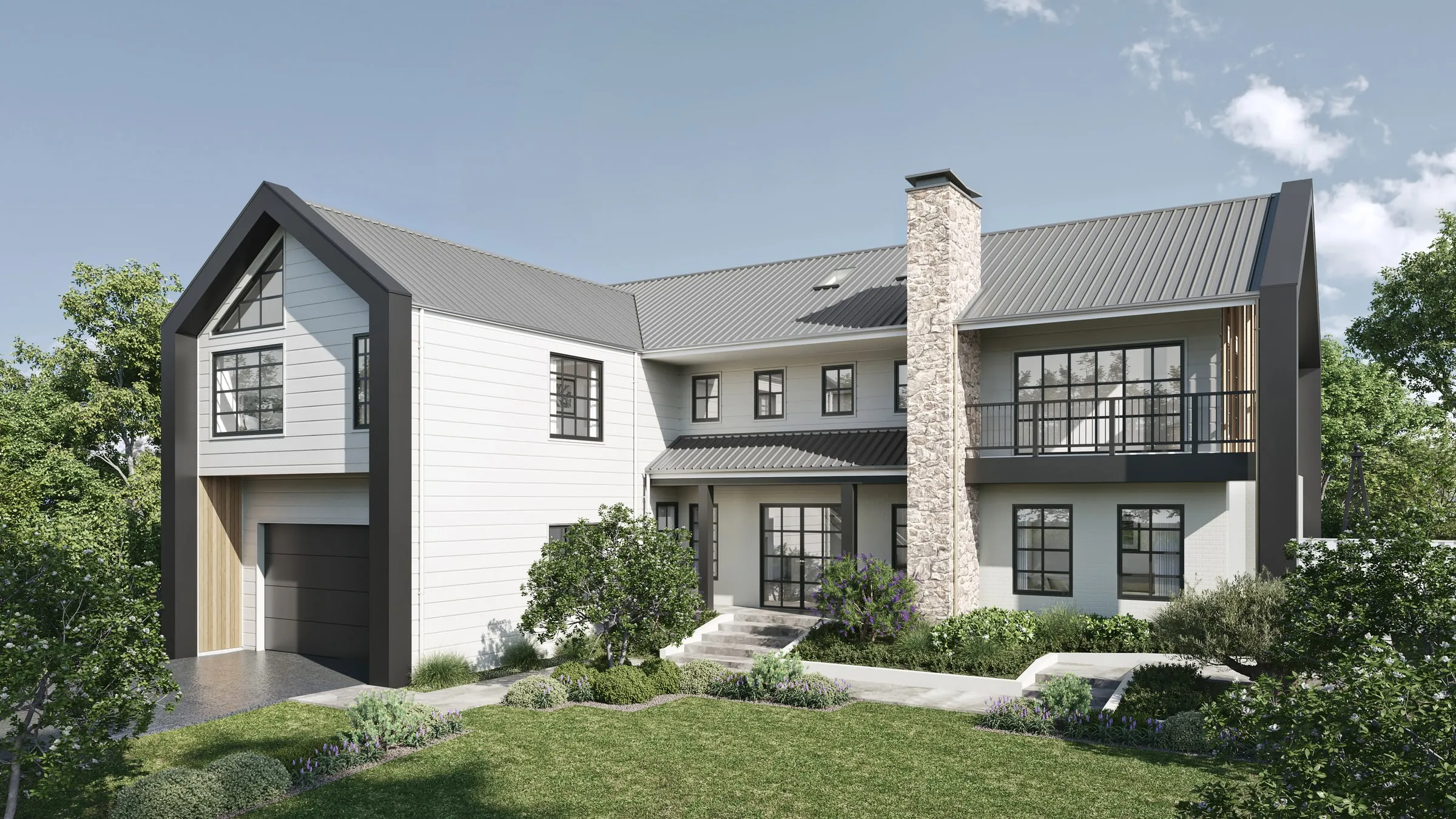
Materials are the second-largest cost. A stock “red brick” takes a minute to apply. A specific brick, with the right bond, the right mortar color, correct weathering and genuine surface variation, takes hours. On a facade-led project that difference is the entire image.
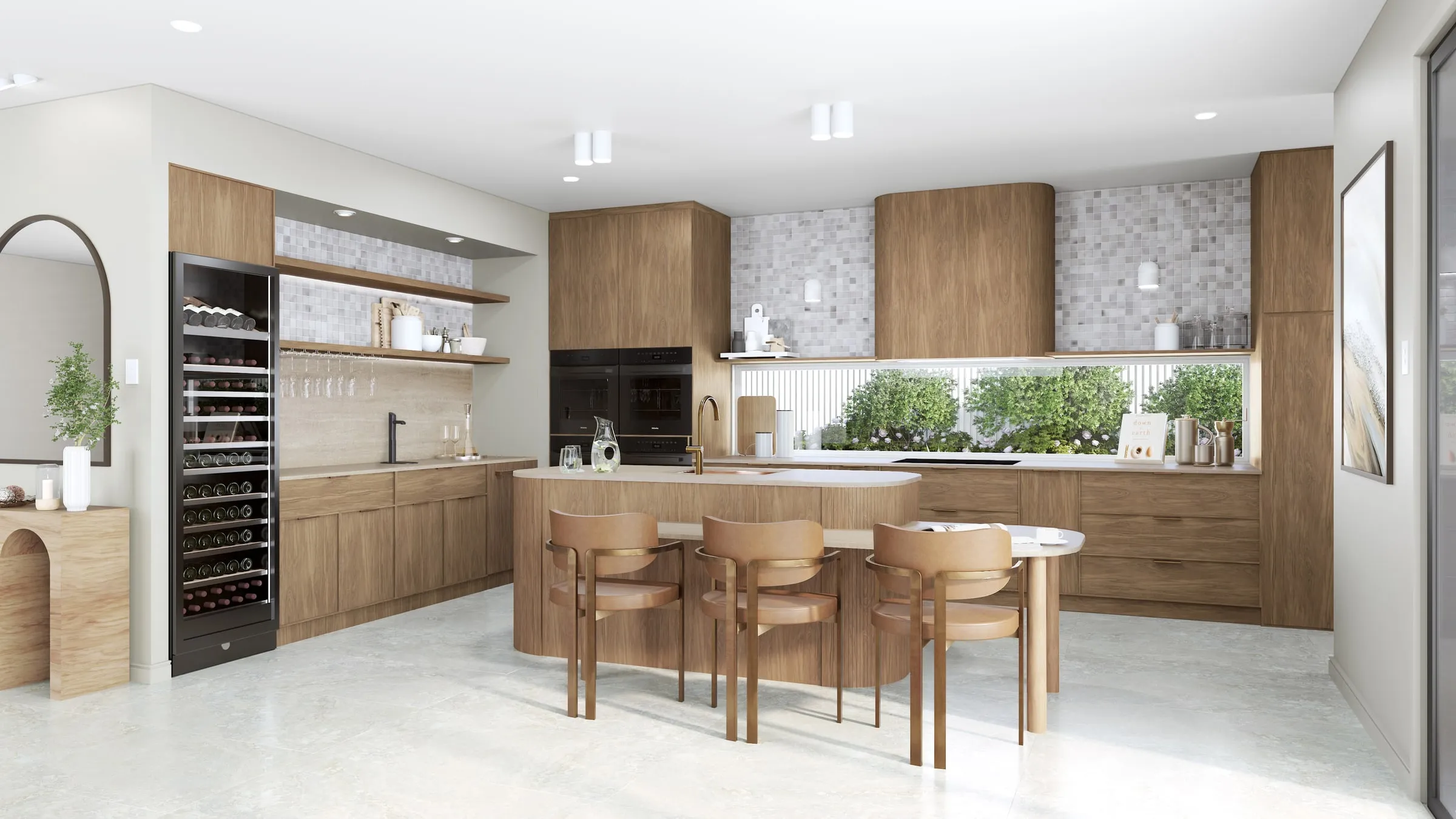
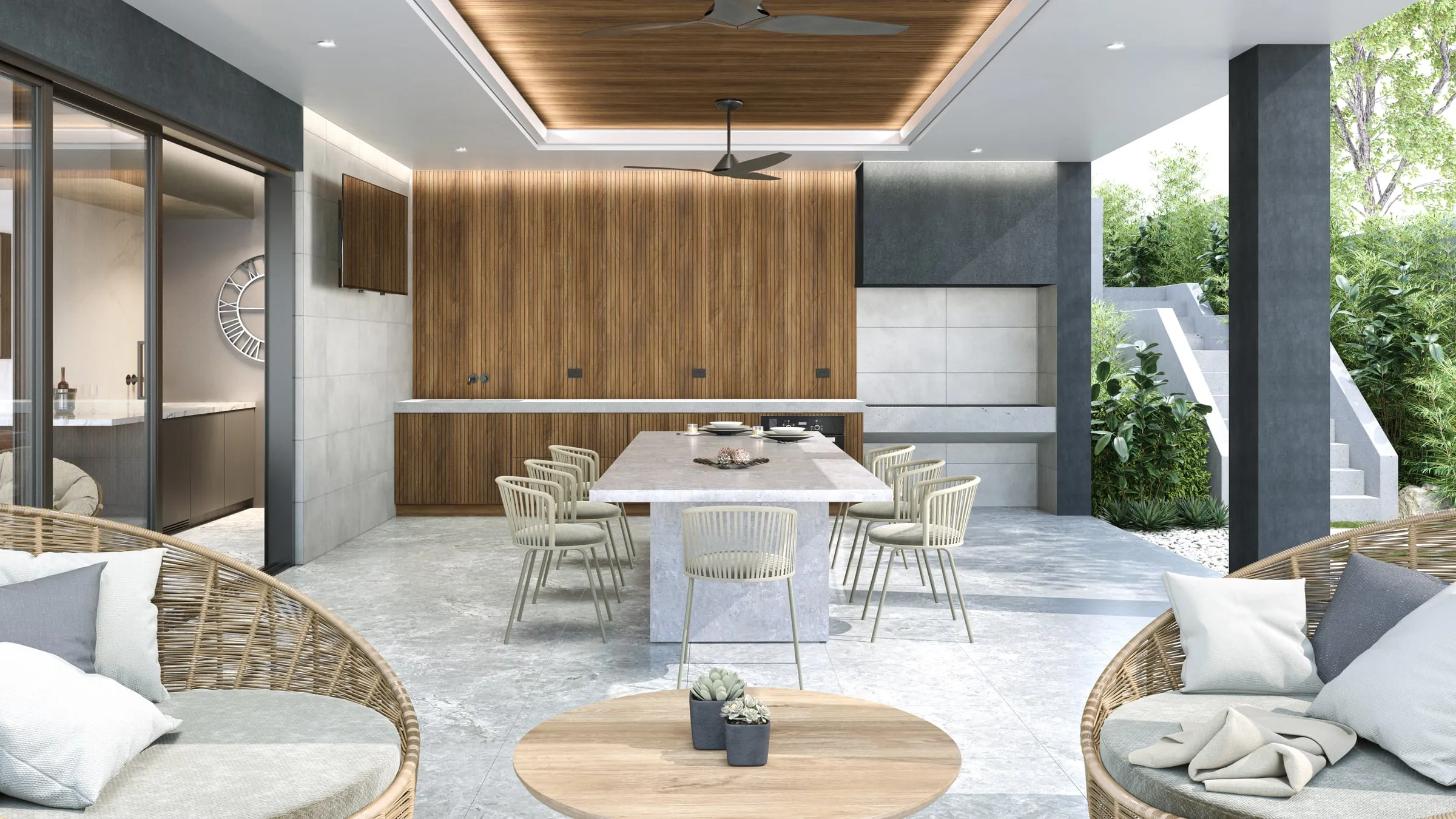
Styling is where interiors are won. An empty room renders fast. A room that looks like someone lives in it — books at plausible angles, a throw that has actually been thrown — takes a skilled person a long time, and it is the single biggest driver of emotional response in residential marketing. See what a styled set includes in interior visualization.
The grade is the last 10% that people notice first. Color grading is what makes the difference between “that is a render” and “that is a photograph”. It is also the stage most often skipped when a price is cut.
The six things that move your quote
- Scene complexity. A single dwelling is a fraction of a mixed-use podium.
- Volume. The scene build is the expensive part and it amortizes hard. Ten images from one scene cost dramatically less per image than ten separate commissions: bought one at a time, the same set can cost close to double. Commission in batches; how many renders you need has a starting count.
- Context accuracy. An invented backdrop is cheap. Neighboring buildings modeled from survey and parcel data are not — and for planning submissions, they are not optional. The rules differ from city to city; our city pages set out what we account for in each.
- Styling depth. Empty renders fast; dressed does not.
- Resolution. Web resolution and billboard resolution are different orders of render time (what resolution renders need).
- Schedule. Compressing a timeline means pulling artists off other work, and that gets surcharged (how long 3D rendering takes).
How studios charge: per image, per project or by the hour
Studios usually price a job one of three ways: per image, per project or per hour (Alden Studios). The difference that matters is who carries the risk if the job takes longer than expected.
Per image. A stated price for each view, usually falling as more views share one model, because the model is only built once. One published guide puts the saving at 10–25% an image (Rapid Renders). The studio carries the risk of a scene taking longer than it thought.
Per project. One figure for everything on a job, such as a set of stills, an aerial and a film from the same model. It suits a launch, where the pieces are planned together.
By the hour. Used mostly by freelancers, on smaller jobs whose scope is still moving (Alden Studios). One guide lists US$25–$100 an hour for offshore freelancers and US$100–$250 for US and European professionals (Rapid Renders). The rate is easy to compare and the total isn’t, because the final number stays open until the work stops.
Pricing by floor area is rare for stills, because the hours follow what the camera sees rather than the size of the building. Size counts for more on an aerial or a site plan, where the whole site has to be modeled.
We price per image from a published rate card, and a set or a launch gets one fixed quote for the whole job.
Revisions and rush jobs: where quotes quietly grow
Most studios include one or two rounds of revisions, bill further rounds by the hour, and add 20–50% for a rushed turnaround (Laurent Visuals, Rapid Renders). None of that is unreasonable, but it is how a quote that looked fixed becomes a larger invoice. Before you start, get the number of revision rounds in writing, and ask what a change of brief will cost before it happens.
At Aurum, the revision rounds are set out in the fixed quote, a change of brief is re-quoted in writing before any work on it starts, and a tight deadline is priced into the quote up front. Nothing is billed by the hour afterward.
Which tier does your project actually need?
This is the only question that matters, and the answer is frequently “the cheaper one”.
Buy budget when the image is for a planning or permit submission that will be reviewed for compliance, an internal review, or a concept you are still testing and may discard.
Buy mid-range when the image goes on your website or a standard listing, or supports a sale where it is one factor among many.
Buy high-end when the image is doing the selling on its own — pre-construction campaigns, luxury custom homes, competition entries, awards submissions, or anything going on a billboard for two years. Also when the building itself is genuinely exceptional, because mediocre imagery on excellent architecture is an active liability.
A useful test: if the image has to change someone’s mind, buy the good one. If it has to satisfy a requirement, do not.
Two ways buyers waste money
Drip-feeding single images. Six images commissioned one at a time can cost close to double the same six commissioned together, because the scene is rebuilt every time. Decide the full set up front even if delivery is phased.
Buying high-end for compliance work. Paying campaign rates for an image a plan reviewer will glance at is money lit on fire. Any competent studio will tell you this — and if yours does not, that is worth noting.
Where AI images fit
AI image tools can turn a sketch or a photo into a convincing picture quickly and cheaply, and for an early mood or an option study that may be all you need. What the low price doesn’t buy is the building itself: with no model behind the image, it can’t be checked against the drawings the way a render built from them can. Our guide to AI rendering vs 3D rendering sets out which jobs suit which.
What a good quote looks like
It should be fixed, not a range and not hourly. It should name the scope — how many images, at what resolution, with how many revision rounds. It should carry a delivery date. And revisions should be included and numbered, not billed as extras.
If a studio cannot give you those four things before starting, the number they have quoted you is not really a price. It is an opening position. Our guide to choosing a rendering studio has the other questions worth asking.
Aurum Render publishes full pricing rather than gating it behind a call, and each of our rendering services sets out what its images include.