What is an artist's rendering? What the label means, and what one must show
An artist rendering shows a building before it exists. What the label means on property ads, what New York requires one to show, and how to commission one.
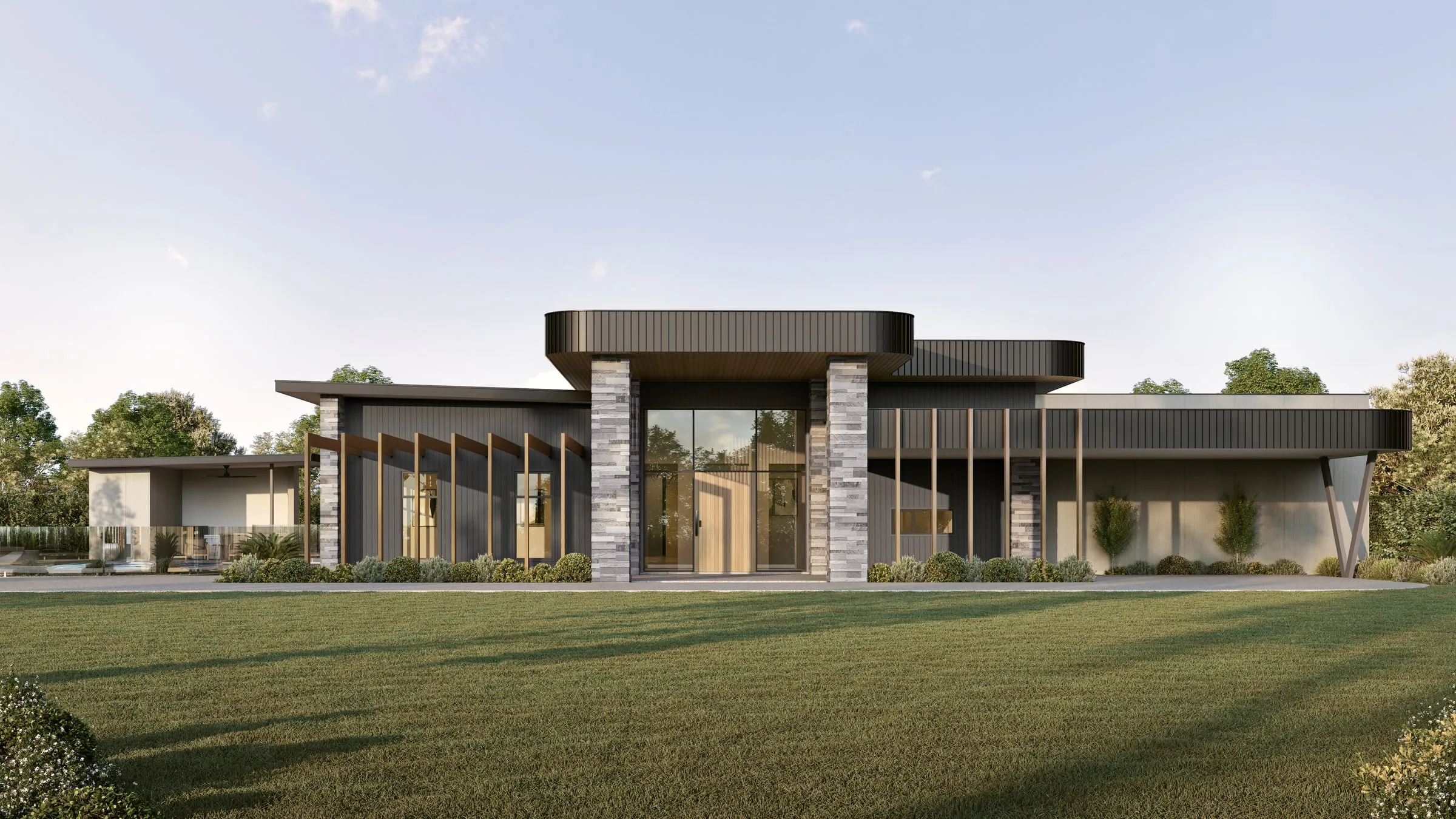
An artist’s rendering is a picture of a building, a home or a whole development made before it exists, so that buyers, boards and neighbors can see it before it’s built. The Society of American Archivists’ dictionary defines an architectural rendering as “an illustration intended to suggest the appearance of a building or other static structure when completed” (SAA Dictionary of Archives Terminology). Artist’s conception and artist’s rendition are other names for the same kind of picture: one an artist makes “when no other accurate representation is available” (Wikipedia).
Most artist’s renderings are now made on a computer from a 3D model of the architect’s drawings. That’s why the words “artist’s rendering” so often sit in small type under a photoreal image in a sales brochure. This guide covers what the label means, what New York’s rules require such an image to show, and how to get renderings that meet that standard. For how renderings are made, see what is 3D rendering; for where they came from, see architectural rendering.
Why property ads say “artist’s rendering”
The label tells the viewer that the picture is not a photograph: the building, or that view of it, doesn’t exist yet. For new condominiums and the other offerings regulated by New York’s Attorney General, the label is required. The rules for newly constructed, vacant or non-residential condominiums say: “An artist’s rendering of a property in an advertisement must be marked as an artist’s rendering and must accurately and realistically depict the dimensions, height and landscaping of the property and surrounding roads, buildings and open space” (13 NYCRR 20.6(h)). The same requirement appears in the rules for newly constructed homeowners associations (13 NYCRR 22.6(h)) and for occupied cooperatives (13 NYCRR 18.6(h)).
Other states write their own rules. Minnesota’s rules for advertising subdivided land presume an ad to be “fraudulent, deceptive, or misleading” if it uses “artists’ conceptions” or renderings of the property or its facilities that aren’t captioned as such, or whose subject hasn’t been bonded under a separate rule (Minn. R. 2810.1300).
Outside real estate the phrase means the same thing in a wider sense. Wikipedia files it with “artist’s conception” and “artist’s interpretation” as names for a picture an artist makes when no accurate image of the subject exists, from a spacecraft or a distant planet to a building that hasn’t been built (Wikipedia). In a property ad it is narrower: a picture of a specific building, made from its drawings, that a buyer may rely on.
What “rendering” means to an artist
In drawing and painting, to render is to carry a sketch through to a finished, solid-looking picture, working in the tone, light, shadow and texture that make a flat outline read as form. That is the older sense of the word. Wikipedia’s article on computer rendering notes that “rendering” first meant the task an artist performed when depicting a real or imaginary thing, and that the finished artwork is also called a rendering (Wikipedia).
An architectural rendering is the same craft pointed at a building that hasn’t been built. Until 3D modeling software became common, architectural renderings were made by hand, in watercolor, colored pencil, gouache, graphite or charcoal, and some illustrators still work that way (Wikipedia). Hugh Ferriss, who arrived in New York in 1912 and worked as an architectural delineator, made perspective drawings of other architects’ projects to sell and promote them. Some of his earliest are of Cass Gilbert’s Woolworth Building, and the American Society of Architectural Illustrators still awards a Hugh Ferriss Memorial Prize every year (Wikipedia). Today the model is built on a computer and the light is calculated rather than drawn, but the job hasn’t changed: letting buyers and review boards see a building before it exists.
What the label doesn’t do
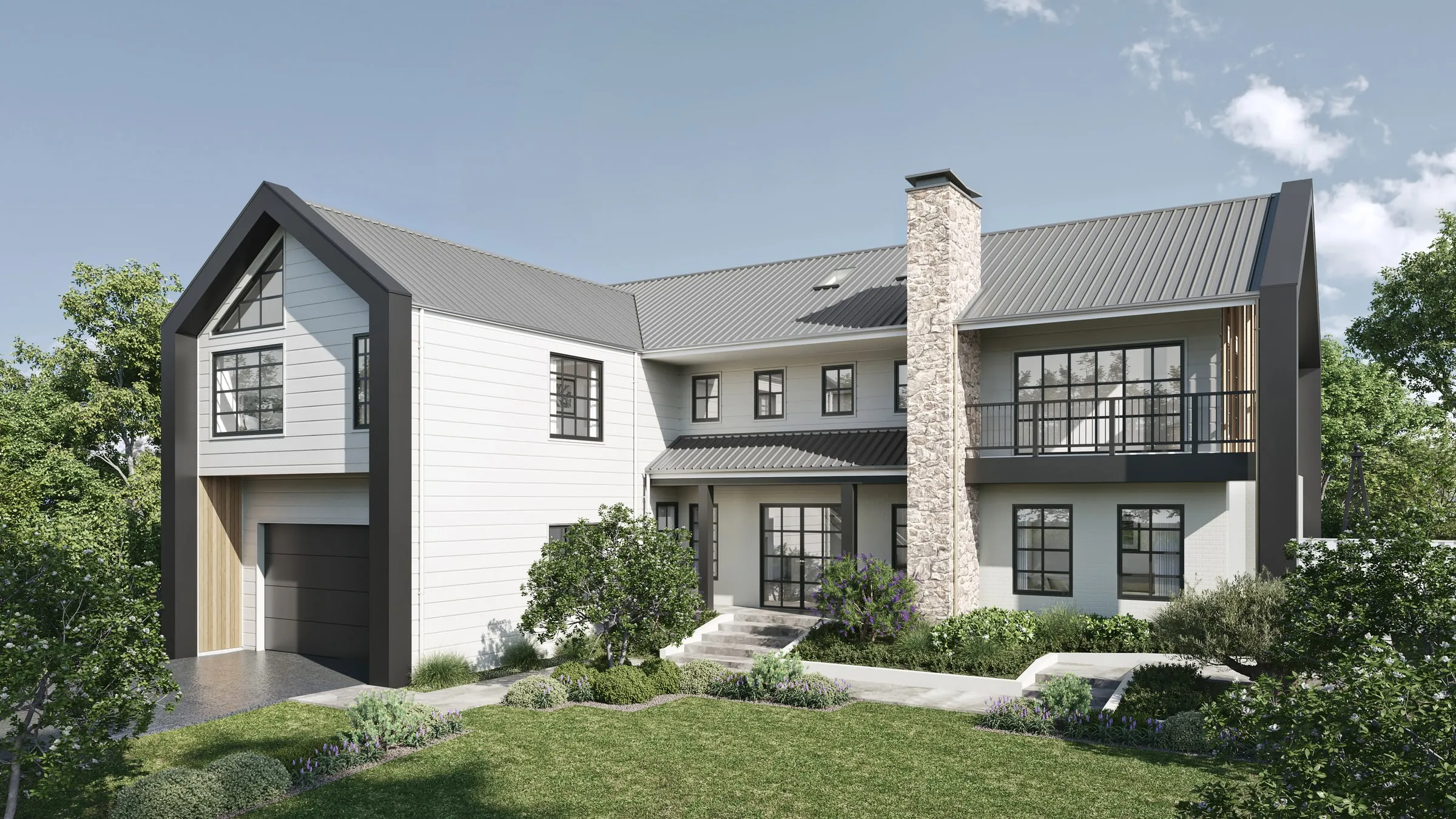
Read the New York rule closely and the label is only half of it. The sentence that requires the words “artist’s rendering” also requires the picture to be accurate and realistic about the property’s dimensions, its height, its landscaping, and the roads, buildings and open space around it. Marking an image as a rendering doesn’t excuse a tower drawn shorter than it will be, or trees shown at a size they won’t reach for years. Nor does it excuse leaving out a neighboring building to open up the view.
That is a fair test for any rendering used to sell, whether or not a rule requires it, because buyers will compare the finished building with the picture. The real estate rendering guide covers the rest of what sales imagery needs, and why renders look fake covers the opposite problem: images so idealized that nobody believes them.
What an accurate artist’s rendering shows
New York’s rule makes a good checklist, with two more items that follow from the same idea.
Dimensions and height. The model is built to scale from the architect’s drawings, and the camera sits where a person could actually stand, at a lens close to what the eye sees. A very wide lens from low down makes a building look taller and grander than it will feel on the street. For a condominium, each view out of a window should be rendered from that floor’s real height.
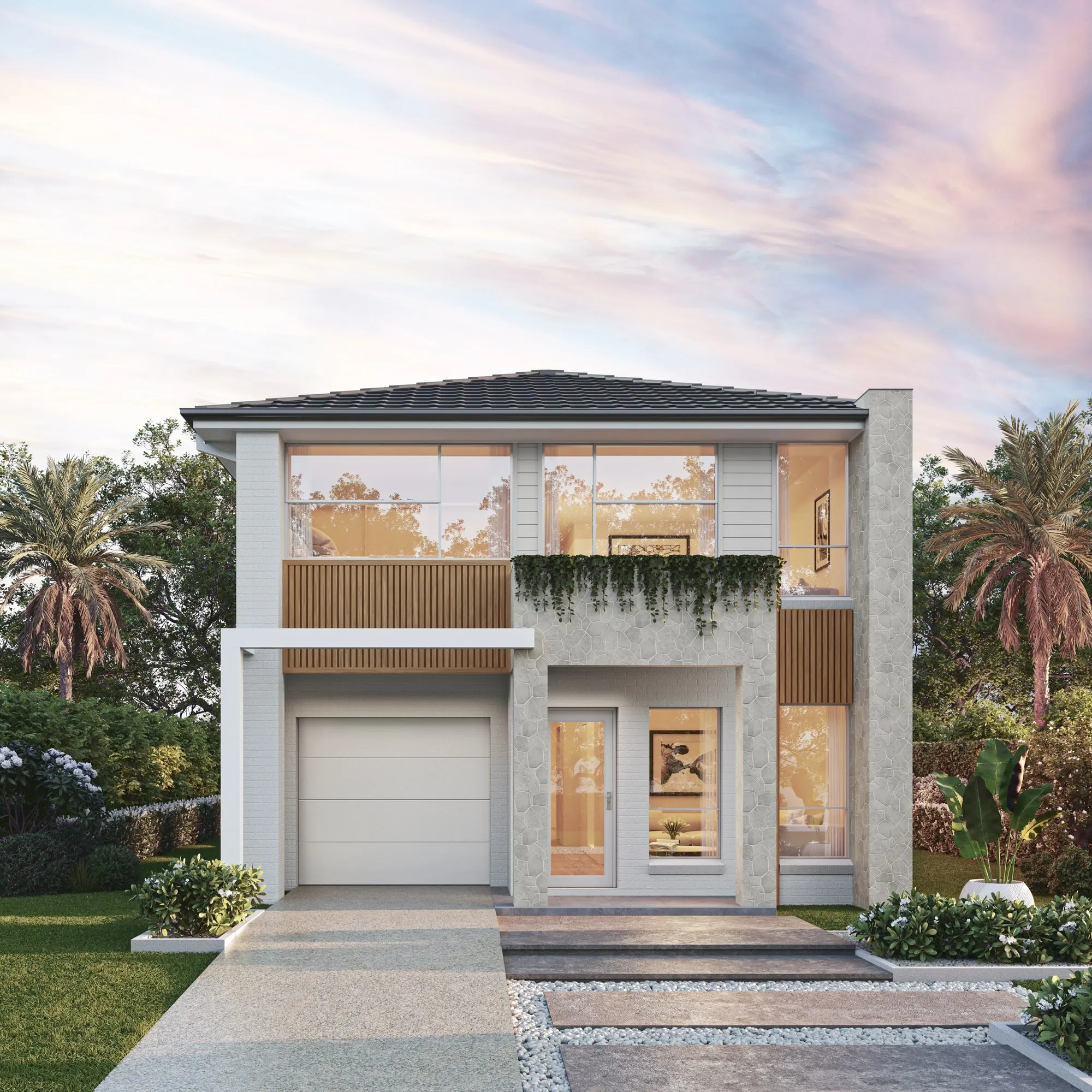
Landscaping. Planting is drawn from the landscape plan, at the size it will be when the picture is meant to show it. If a rendering shows trees at a size they will take years to reach, the marketing shouldn’t present that as how the property will look when it is handed over. Landscape rendering covers how planting sizes are specified.
Surrounding roads, buildings and open space. The context is built from survey and aerial data, with the neighbors as they are, including the ones that aren’t flattering. The street, the driveway and the open space match the site plan.
Light and season. The rule doesn’t mention them, but the same standard applies. The sun is placed where it will actually be for that orientation and time of day. In the United States, a north-facing terrace shouldn’t be shown in the full midday sun it will never get.
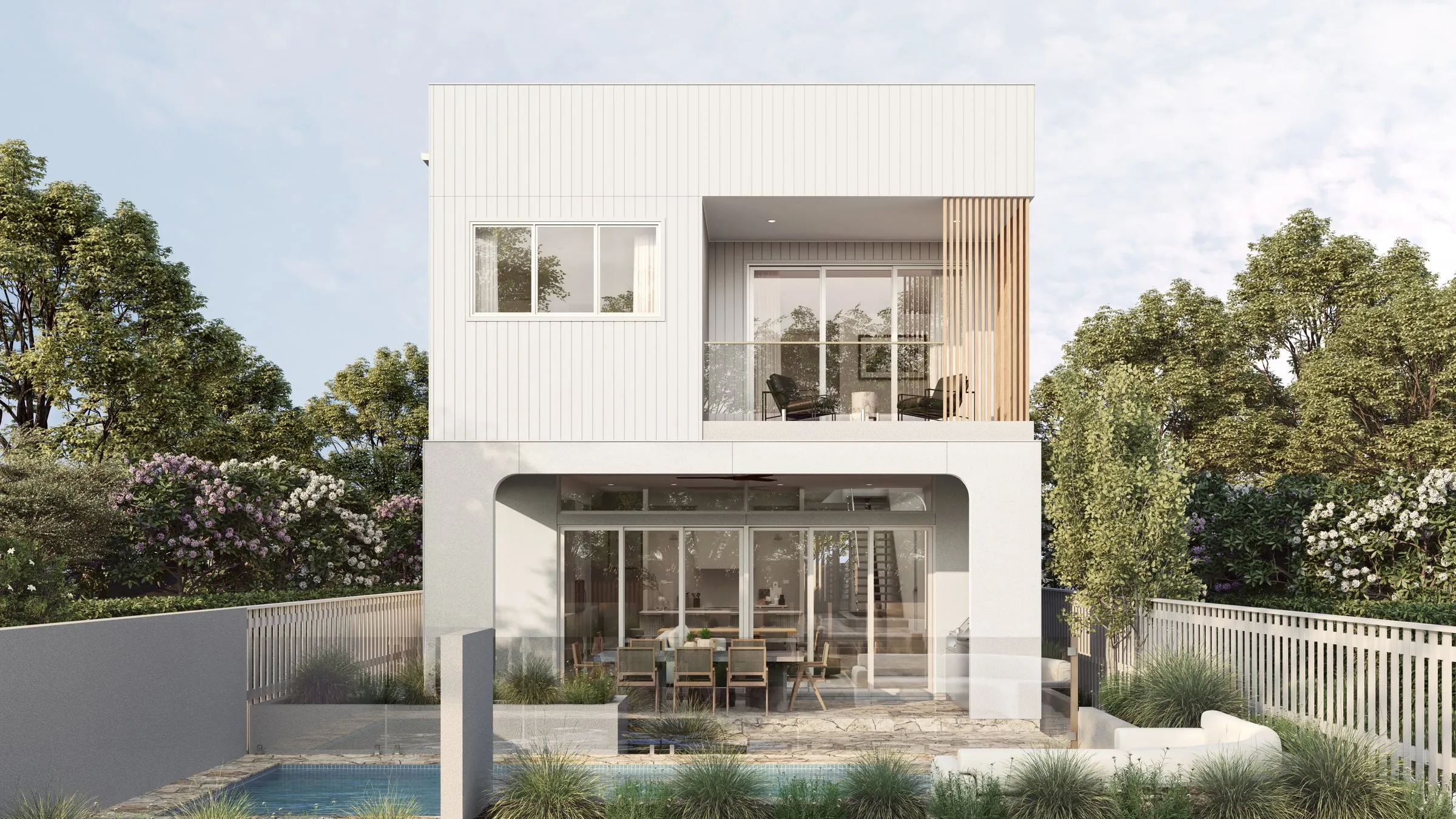
Materials and finishes. These are rendered as the finish schedule specifies, not as a more expensive version. If buyers will choose between finish packages, each package is shown as it is actually offered.

Artist rendering examples
Three jobs an artist’s rendering is often asked to do, each built from the project’s drawings.
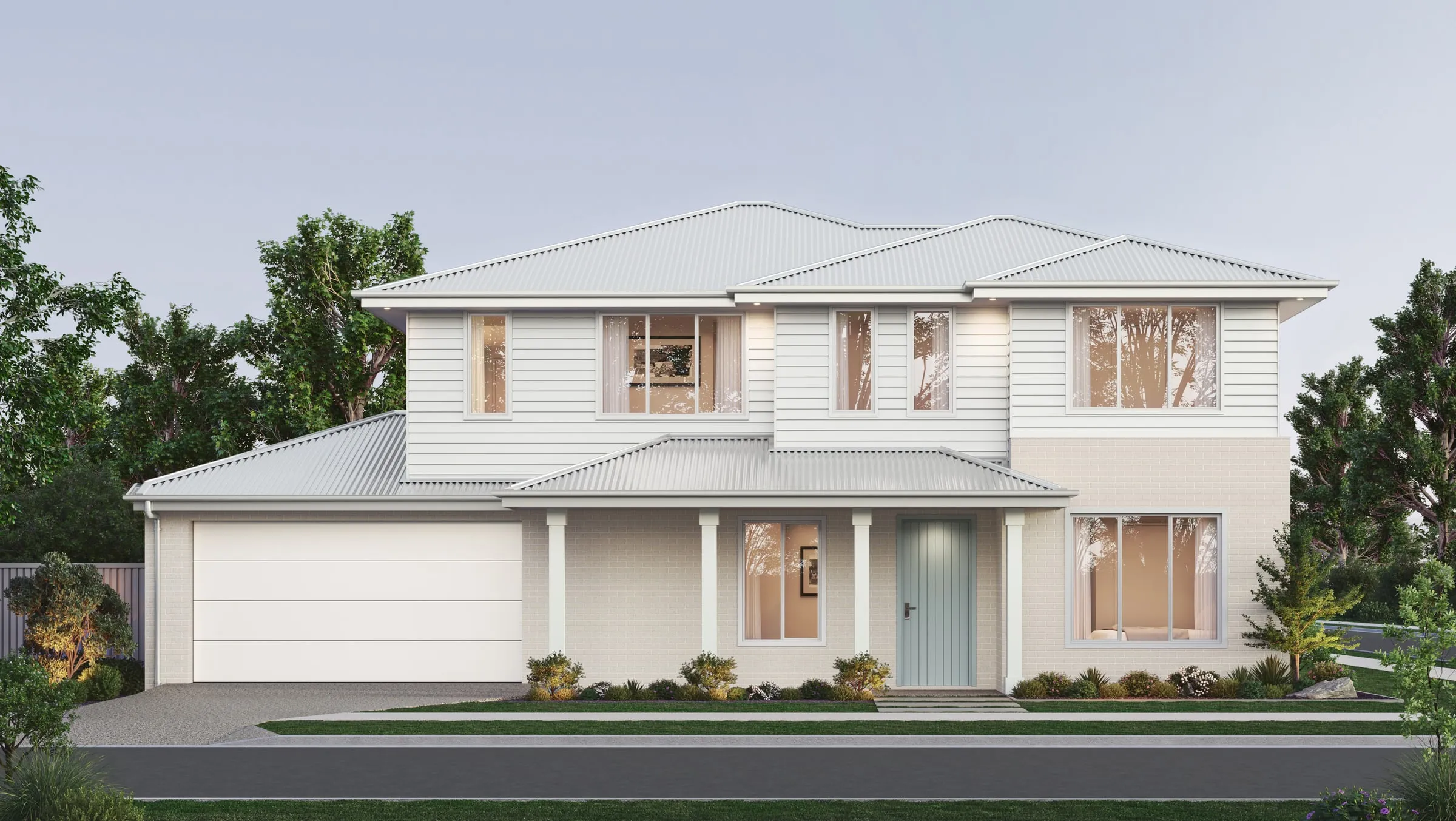
The twilight exterior for a listing or a site sign. The home at dusk with its windows lit, the view a pre-construction listing, a site sign or a brochure cover usually leads with. The hour and the sky are choices made for the picture; the facade, its materials and the porch are the ones on the drawings.
The kitchen that settles the finishes. Cabinetry, counters and appliances shown in the finishes the specification names, so an owner or a buyer can approve them before anything is ordered. Our guide to interior rendering covers how far the styling can go.

The leasing image for a commercial building. An industrial or office building seen from the street, in weather and light that make its frontage and loading doors easy to read. It goes on a leasing flyer or into an investor deck before the building exists.

Commissioning artist’s renderings you can stand behind
- Send the full set. That means the architectural drawings, the landscape plan, the finish schedule, and a survey or site plan that shows the neighbors.
- Agree the cameras and light on a plain, untextured model first. Height, framing and sun are then settled before any time goes into materials, and they are the decisions that are cheapest to change.
- Ask what the studio has assumed. That covers planting sizes, any neighbors not yet built, the season and the time of day. Put the answers in writing.
- Plan the label before the layout is final. Where “artist’s rendering” goes on a brochure, billboard or listing should be decided before artwork is approved, not squeezed in afterward.
How to brief a rendering studio has the full list of what to send. In our 3D rendering studio, light and camera are agreed on an untextured model before any material is applied. Surrounding buildings come from survey and aerial data, and finishes are rendered exactly as specified. That way a rendering can carry the label and still match the finished building. For developers, the developers page shows how a launch set is put together.