Renderings for investors and lenders — what a capital raise needs from its imagery
Renderings for investor decks and lender packages — which views to include, how accurate they must be, and how to reuse them once sales begin.
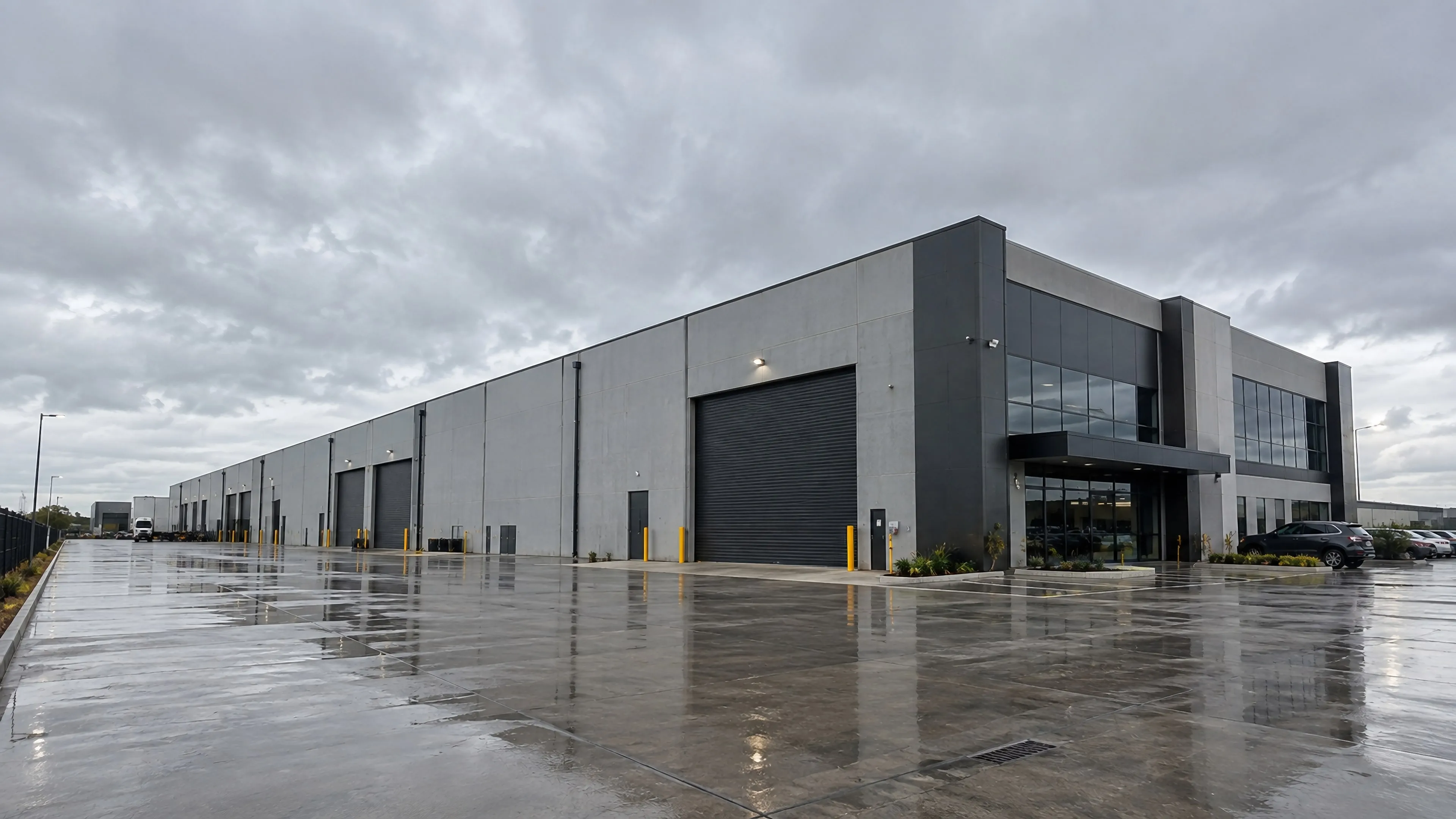
Before a building can be sold, it usually has to be financed, and the people deciding read plans for a living. Renderings in an investor deck or a lender package do a different job from campaign imagery. They have to make the scheme legible and believable, quickly, to readers who are looking for reasons to say no.
What investors and lenders look for in the images
The site, in context. An aerial that shows the parcel, the access, the neighbors and what is around it. The location argument should be visible in one frame. Site plan rendering covers how an aerial differs from a rendered plan.
The scheme, honestly scaled. A street-level exterior that matches the plans and the pro forma: the unit count, the height, the parking.
Phasing. For a multi-phase project, one frame per phase from the same scene, so the sequence is clear at a glance.
The product. A typical unit interior and the amenity spaces that justify the rents or prices in the model.
What they don’t need is a glamour shot of a building the budget won’t deliver.
Accuracy is the point
Offering and lending materials get read closely, and a rendering that shows more than the drawings and the budget support is a liability rather than an asset. Ask your counsel what labels and disclaimers your materials need, and commission images that wouldn’t need defending:
- Render what is in the current drawings, and label anything indicative.
- Show options as options: an alternative facade belongs in its own frame, never blended into the base scheme.
- Keep cameras where people will actually stand, except for the aerials.
- Use the real context and the real light for the site’s orientation.
Formats
A deck needs 16:9 frames, a lender package usually needs print, and a data room wants the full-resolution files. Render once at the largest size you need and crop down from it. What resolution renders need has the sizes.
Build once, use it through to sales
The scene built for the raise is the same scene the entitlement imagery and, later, the sales or leasing campaign will need. Relit, restyled and regraded, it serves all three for a fraction of the cost of fresh commissions. Tell the studio about every use at the start, so it is built accurately enough for the most demanding one. Our guide to pre-construction campaign imagery covers what the sales set needs.
Timing
Once the drawings are settled, a single still typically takes three to four business days, an aerial four to six, and a set of five takes five to eight. Work back from the investor meeting, not the launch, and leave room for one round of comments.
What it costs
It depends on the number of views and how much context has to be modeled. The 3D rendering cost guide explains what drives the price, and our prices are published.
Raising for a project? Send us the drawings — you will have a fixed price, a written scope and a delivery date by the next business morning. Or see how we work with developers and brokerages and on commercial and industrial projects.