Shadow study rules in US cities: the days and hours each one tests
Which days and hours New York, San Francisco, Los Angeles, Seattle and Boston test for new shadow, and when a project needs a study, from the official rules.
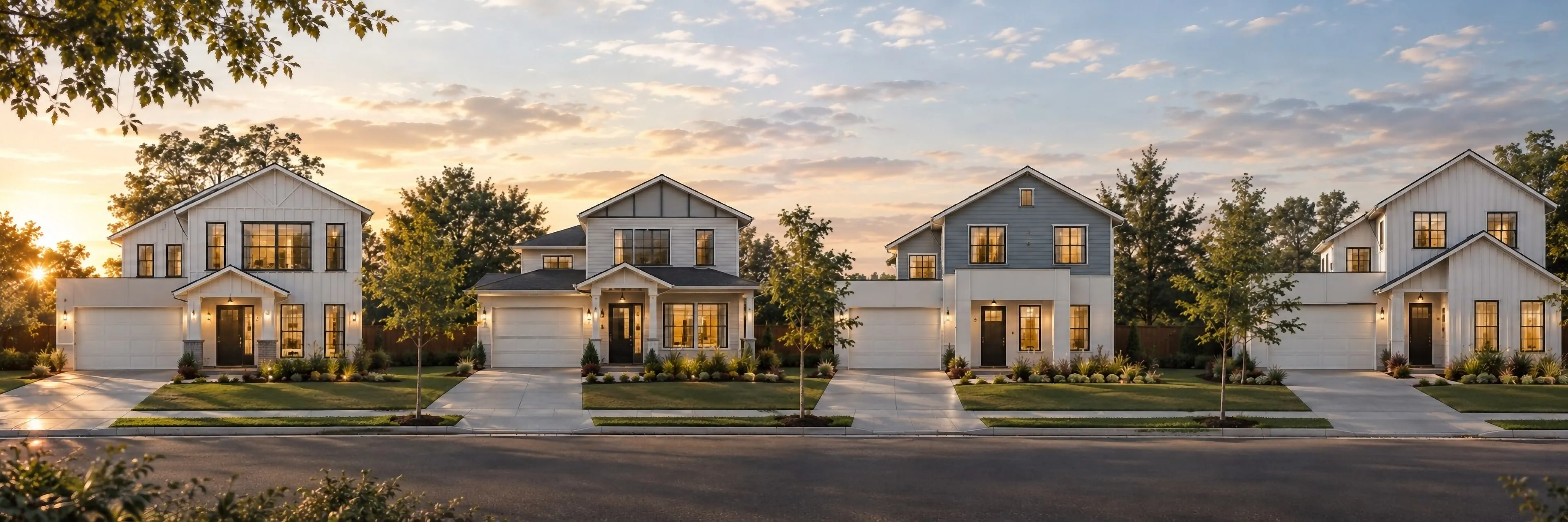
A shadow study shows where a proposed building’s shadow will fall, and when. American cities don’t share one rule for it: each sets its own trigger, its own timing and its own idea of what a harmful shadow is. New York counts minutes of new shadow on its parks and plazas, San Francisco has a voter-approved ordinance protecting its parks, Los Angeles counts hours of shade on yards, patios and solar panels, Seattle protects its parks and schoolyards at the times people use them most, and state law shields Boston Common and the Public Garden from new shadow for almost the whole day. Below, the five cities’ rules side by side, each linked to the official document. To see how far a shadow reaches in the first place, try our shadow length calculator.
Five cities at a glance
| When a study is needed | Days and hours | What counts as an impact | |
|---|---|---|---|
| New York | When needed: Buildings of 250 feet or more, or of 50 to 250 feet next to, within or across the street from a sunlight-sensitive resource, with more than 50 feet of added height or substantially more bulk | Days and hours: March 21 (or September 21), May 6 (or August 6), June 21 and December 21, from 1.5 hours after sunrise to 1.5 hours before sunset, in standard time | Impact: New shadow on parks, plazas, playgrounds, schoolyards and other sunlight-sensitive resources; under 10 minutes is generally not significant, while 10 minutes or more can be if it substantially reduces sunlight and affects the public's use or the plants |
| San Francisco | When needed: New buildings or additions with a roof above 40 feet that could shade Recreation and Park Department property; other parks case by case under CEQA | Days and hours: December 21, June 21, March 21/September 21 and the worst-case day, hourly from one hour after sunrise to one hour before sunset | Impact: Approval only if the net new shadow is insignificant or not adverse to the park's use, after a Recreation and Park Commission recommendation; new shadow is measured in square-foot-hours, in 15-minute steps |
| Los Angeles | When needed: Projects that would shade shadow-sensitive uses, except housing, mixed-use and employment center projects on infill sites within half a mile of a major transit stop, unless a specific plan or overlay requires a study | Days and hours: 9am to 3pm Pacific Standard Time from late October to early April; 9am to 5pm Pacific Daylight Time from early April to late October | Impact: Shade on yards and outdoor spaces of homes, parks, schools and convalescent homes, restaurant patios, nurseries or existing solar collectors for more than 3 hours in the winter window, or more than 4 hours in the summer window |
| Seattle | When needed: Projects in the City's environmental (SEPA) review that could shade a protected open space; the policy sets no height trigger | Days and hours: No fixed days or hours: the test is the time when the public uses the space most | Impact: Substantially blocking sunlight from publicly owned parks, public schoolyards, private schoolyards open to the public, shoreline street ends or five named downtown parks; the City may condition or deny the project, for example by limiting its height or bulk |
| Boston | When needed: Projects that need a zoning or redevelopment approval, not just a building permit, and could shade Boston Common or the Public Garden; plans approved by May 1, 1990 are exempt | Days and hours: Every day of the year; new shadow is allowed only until one hour after sunrise or 7am, whichever is later, and in the last hour before sunset | Impact: Any new shadow on either park outside those hours, counted beyond what buildings at the heights allowed as of right in 1990 would cast. In the Midtown Cultural District, from March 21 to October 21, new shadow may not last more than two hours between 8am and 2:30pm on any part of the Common, or fall on the Public Garden after 10am |
What the five cities share, and where they differ
- The days. New York and San Francisco both draw the solstices and the equinox; New York adds early May or August, and San Francisco adds the year’s worst-case day for the park in question. Los Angeles counts hours across two seasons instead of picking days, and Seattle names no days at all: it asks whether sunlight is substantially blocked when the public uses the space most. Boston’s park laws apply on every day of the year.
- The hours. Both coastal cities drop the long, fast-moving shadows near sunrise and sunset, New York for 1.5 hours at each end of the day and San Francisco for one hour. Los Angeles counts 9am to 3pm in winter and 9am to 5pm in summer. Boston turns the question around: new shadow on its two protected parks is allowed only until one hour after sunrise or 7am, whichever is later, and in the last hour before sunset.
- What is protected. New York and San Francisco protect public open space: parks, plazas, playgrounds. Los Angeles also protects private yards, restaurant patios and existing solar collectors. Seattle protects parks, schoolyards and shoreline street ends across the city, but downtown only five named parks, because its code says the scale of development allowed there makes it impractical to keep shadow off every open space. Boston’s state laws protect just two parks, the Common and the Public Garden, but for almost the whole day.
- Exemptions. In Los Angeles, state law takes most housing near transit out of CEQA’s aesthetics review, shade included, though local plans can still ask for a study. New York screens out projects too short or too far away for their shadows to reach a resource. Boston exempts plans approved by May 1, 1990 and sets looser limits in the Midtown Cultural District, and in July 2017 the state exempted one downtown tower, at Winthrop Square, from the parks’ shadow limits (WBUR).
Renderings and shadow studies have to agree
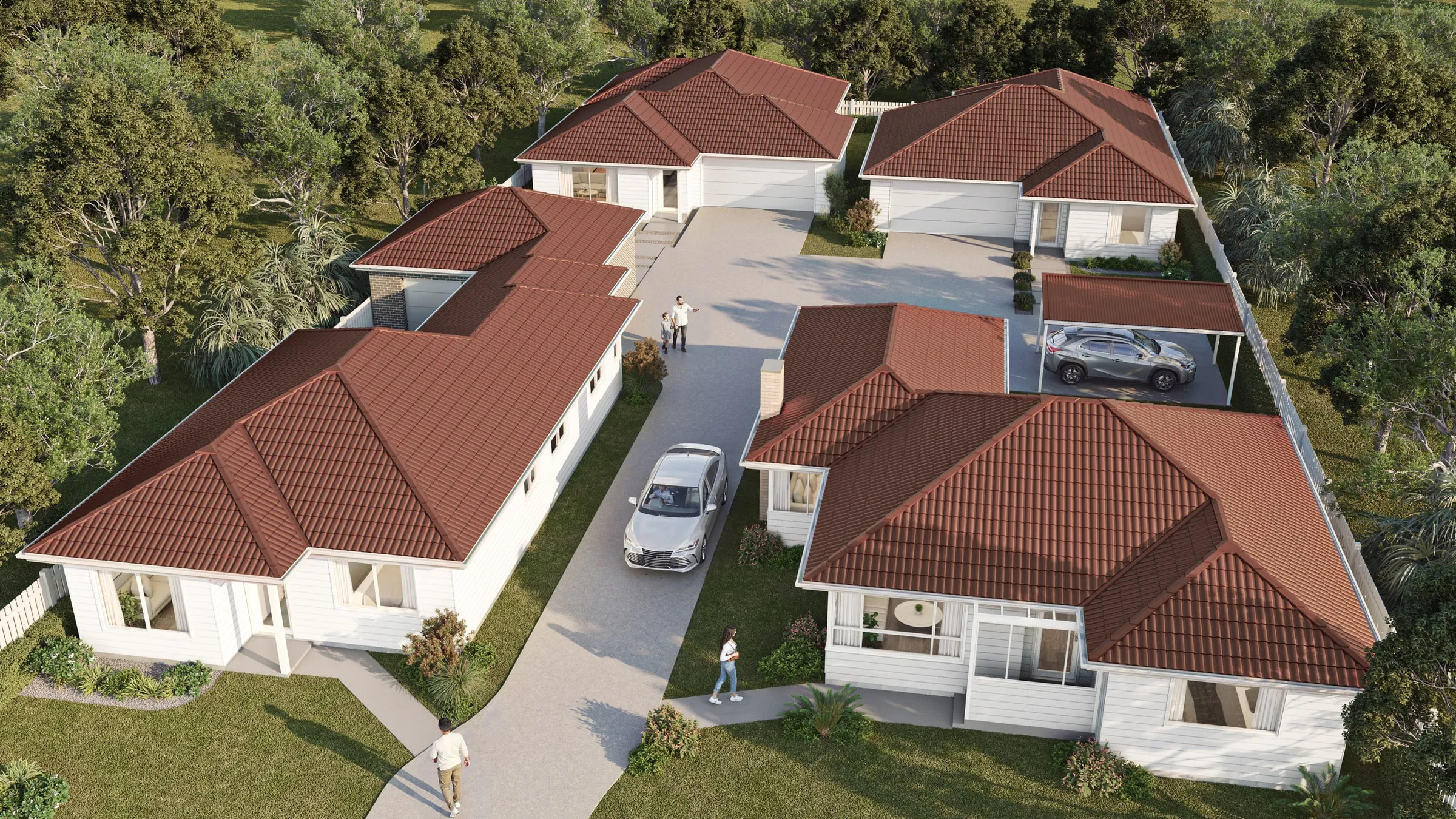
A board that sees a sunny plaza in a rendering and the same plaza in shade on the study will trust neither. We set the sun in every rendering for the site’s true orientation, and for review images we use the day and hour under study, so the pictures and the shadow studies describe the same building and the same light. We also prepare the shadow study itself, from the same model as the renderings. Our comparison of what eight cities’ review boards ask renderings to show covers the rest of a review package.
Other cities
Other cities and counties set shadow rules of their own, so read the code that applies to the site. Historic districts and homeowners associations can add requirements too; see renderings for a historic district review and renderings for an HOA architectural review. If you need a sun study or review renderings that match your shadow studies, send us your drawings for a fixed quote.
Sources
- New York: CEQR Technical Manual, Chapter 8, Shadows (December 2025 edition)
- San Francisco: Shadow Analysis supplemental application and Shadow Analysis Procedures and Scope Requirements (July 2014)
- Los Angeles: Public Resources Code §21099, City Planning ZI No. 2452, and the L.A. CEQA Thresholds Guide’s shade threshold as applied in a City Planning environmental impact report
- Seattle: Seattle Municipal Code 25.05.675.Q, Shadows on Open Spaces
- Boston: Chapter 362 of the Acts of 1990, An Act Protecting Certain Public Commons (Boston Common) and Chapter 384 of the Acts of 1992, An Act Protecting the Boston Public Garden, as passed, from the State Library of Massachusetts; the 2017 Winthrop Square exemption as reported by WBUR
The New York, San Francisco, Los Angeles and Seattle documents were read in October 2026, Boston’s in November 2026. Rules change, so confirm the current version with the city before you file.